How do I choose the right balance beam?
Start by matching the beam to the gymnast’s current skill level, available practice space, and training goals. A beam that’s too narrow, too tall, or too firm can slow progress, while the right setup builds confidence and consistency in basics like walks, pivots, kicks, and handstands.
Pick the best beam height for your space and goals
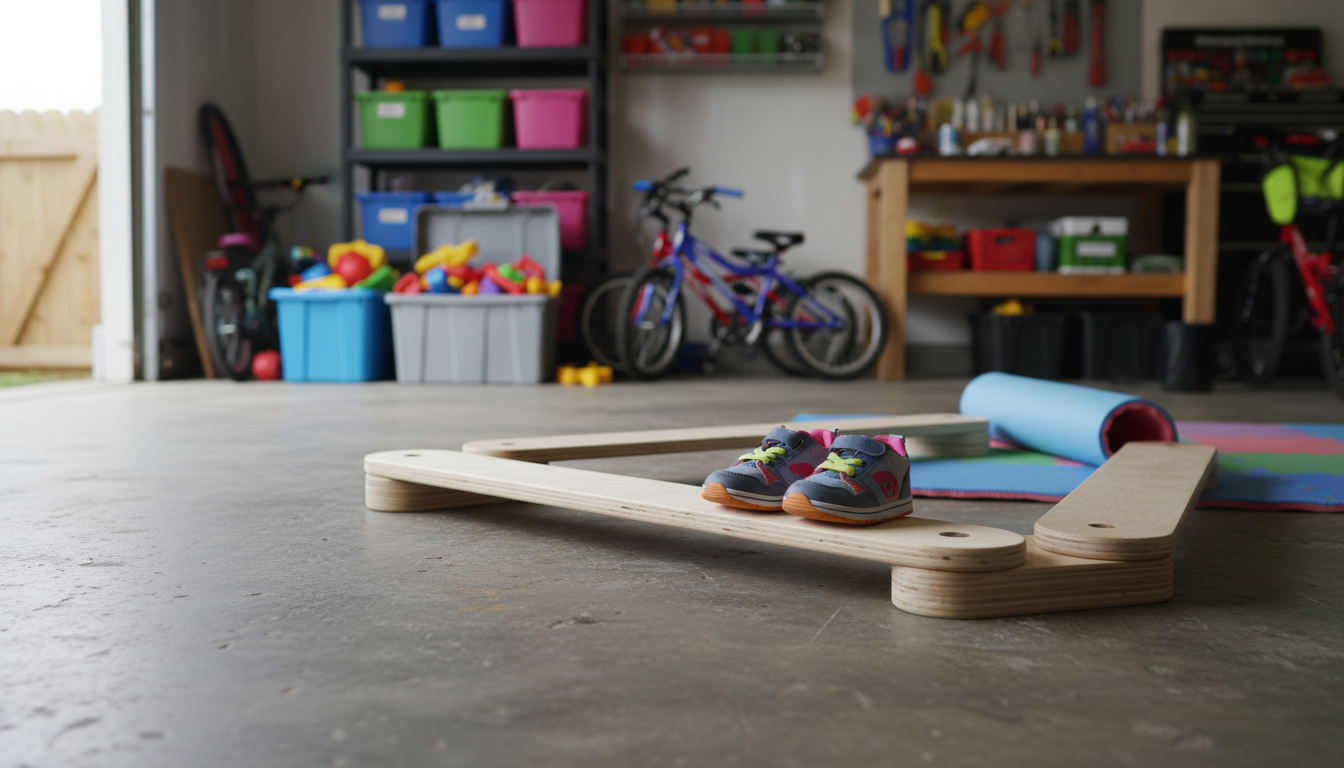
For home practice, a low balance beam (often floor-level or a few inches high) is usually the most practical choice. It reduces fear during new skills and works well in smaller rooms. A medium or adjustable-height beam can be helpful when a gymnast is ready to transition closer to competition conditions, but it requires more ceiling clearance and better mat coverage.
Choose a width that supports proper technique
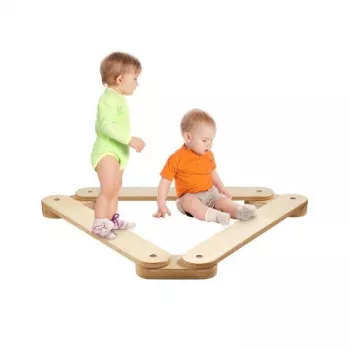
Most gymnasts benefit from training on a regulation-width surface to build accurate foot placement and body alignment. If the gymnast is very young or brand new, a slightly wider trainer beam can be useful at first, but it’s best as a stepping stone rather than a long-term solution.
Prioritize surface material and padding
Look for a suede-like or gymnastics-style cover that offers grip without feeling sticky. Too much slickness can make turns and leaps feel unstable; too much tack can interfere with smooth pivots. Moderate padding is ideal for repetitive drills, but overly soft beams may feel “wobbly” under the foot and can make it harder to learn consistent landings.
Check stability, construction, and portability
A quality beam should sit firmly on the floor without rocking. Wider bases, non-slip feet, and solid internal construction matter more than flashy add-ons. If the beam will be stored between sessions, consider weight, carry handles, and whether it fits in a closet or under a bed.
Don’t forget mats and safe setup
Even for low beams, add a folding panel mat or suitable gymnastics mat around the training area. Place the beam on a flat surface, leave clear space on both sides, and avoid practicing alone for skills that involve inversion or dismounts.
For a deeper breakdown of beam types, features, and what to look for at different stages, visit https://ellixuro.com/how-do-i-choose-the-right-balance-beam/.
FAQ
What mat should I use with a home balance beam?
A firm folding panel mat or a gymnastics landing mat placed along both sides of the beam is a solid baseline. Choose a thickness that matches the beam height and the skills being trained, and make sure the mat won’t slide on your floor.
Recommended for you









Leave a comment