How to learn progressive muscle relaxation?
Progressive muscle relaxation (PMR) is a simple skill you can learn by practicing a consistent sequence: tense a muscle group briefly, then release and notice the difference between “tight” and “relaxed.” With a quiet space, a few minutes, and a repeatable routine, PMR can become a reliable way to downshift physical tension after a stressful day or before sleep.
Start with the right setup
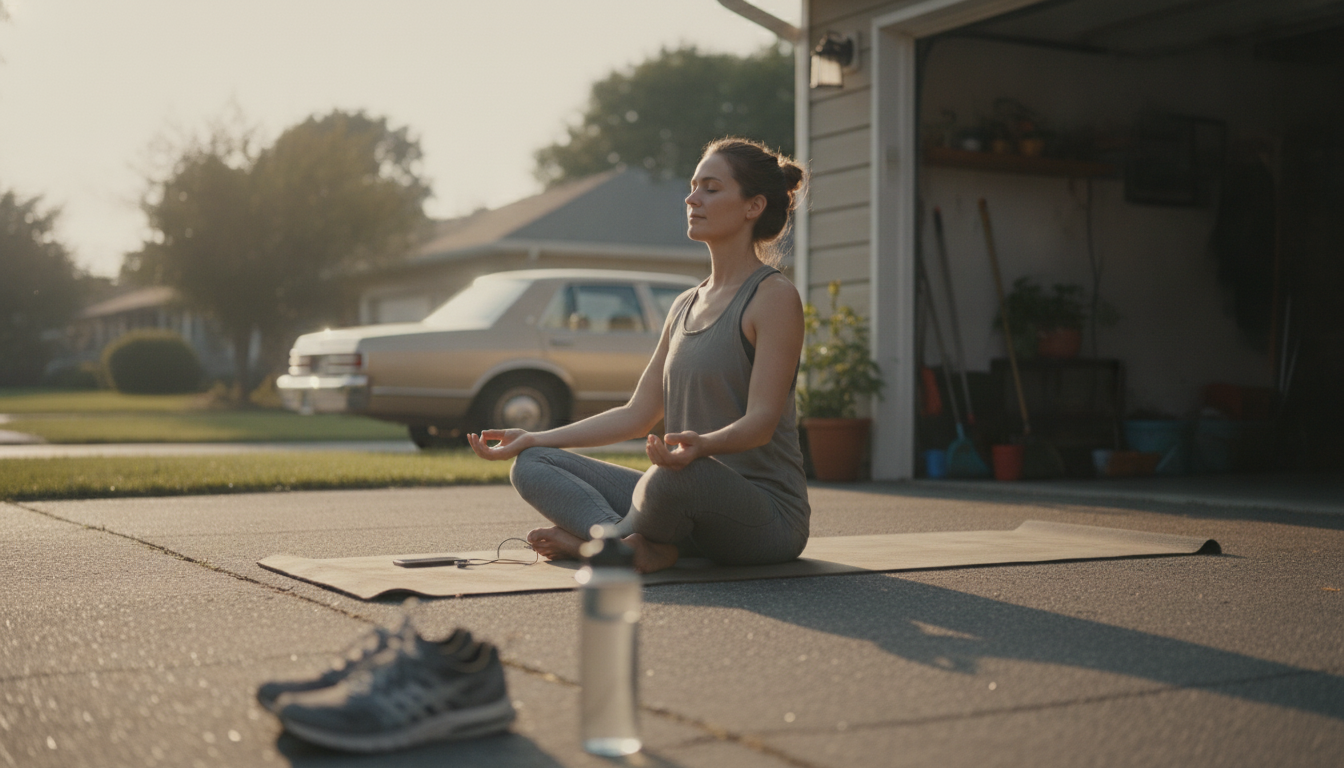
Choose a comfortable position—lying down or sitting with back support. Loosen anything restrictive (shoes, tight waistband), silence notifications, and set a gentle timer. If you’re new, aim for 10–15 minutes so you don’t feel rushed.
Use a consistent tension-and-release rhythm
Work through your body in order. For each muscle group, gently tense for about 5–7 seconds (never to the point of pain or cramping), then fully release for 15–20 seconds. While releasing, breathe slowly and pay attention to the “letting go” sensation rather than trying to force relaxation.
Follow a simple head-to-toe (or toe-to-head) sequence
One common flow is: feet and calves, thighs, glutes, abdomen, chest, hands, forearms, upper arms, shoulders, neck, jaw, and face. If a certain area holds most of your stress (often shoulders or jaw), pause there for an extra release cycle.
Make it easier with cues
Pair each release with a cue word like “soften” or “heavy.” Keep your breath steady—inhale as you tense, exhale as you release. If your mind wanders, just return to the next muscle group without restarting.
Practice enough to make it automatic
Try PMR once a day for a week, then use it as needed. Many people notice the biggest improvement after several sessions, when the body learns the pattern quickly.
For a step-by-step walkthrough and extra tips, visit the full guide: https://ellixuro.com/how-to-learn-progressive-muscle-relaxation/.
FAQ
How long should a progressive muscle relaxation session take?
A full PMR session usually takes 10–20 minutes, depending on how many muscle groups you include. A shorter 3–5 minute version can still help if you focus on a few high-tension areas like shoulders, jaw, and hands.
Recommended for you










Leave a comment