Portable 2764Wh LiFePO4 Expansion Batteries: What They Do and Why They Matter
A high-capacity expansion battery can turn a portable power station into a longer-lasting backup system for outages, RV trips, cabins, and job sites. A 2764Wh LiFePO4 expansion battery focuses on one thing: adding more stored energy so your existing setup runs longer without swapping power stations. Below is a practical guide to what this size battery adds, how to estimate runtime for real loads, how to confirm compatibility, and where it fits best for off-grid and home backup planning.
What an Expansion Battery Adds to a Power Station
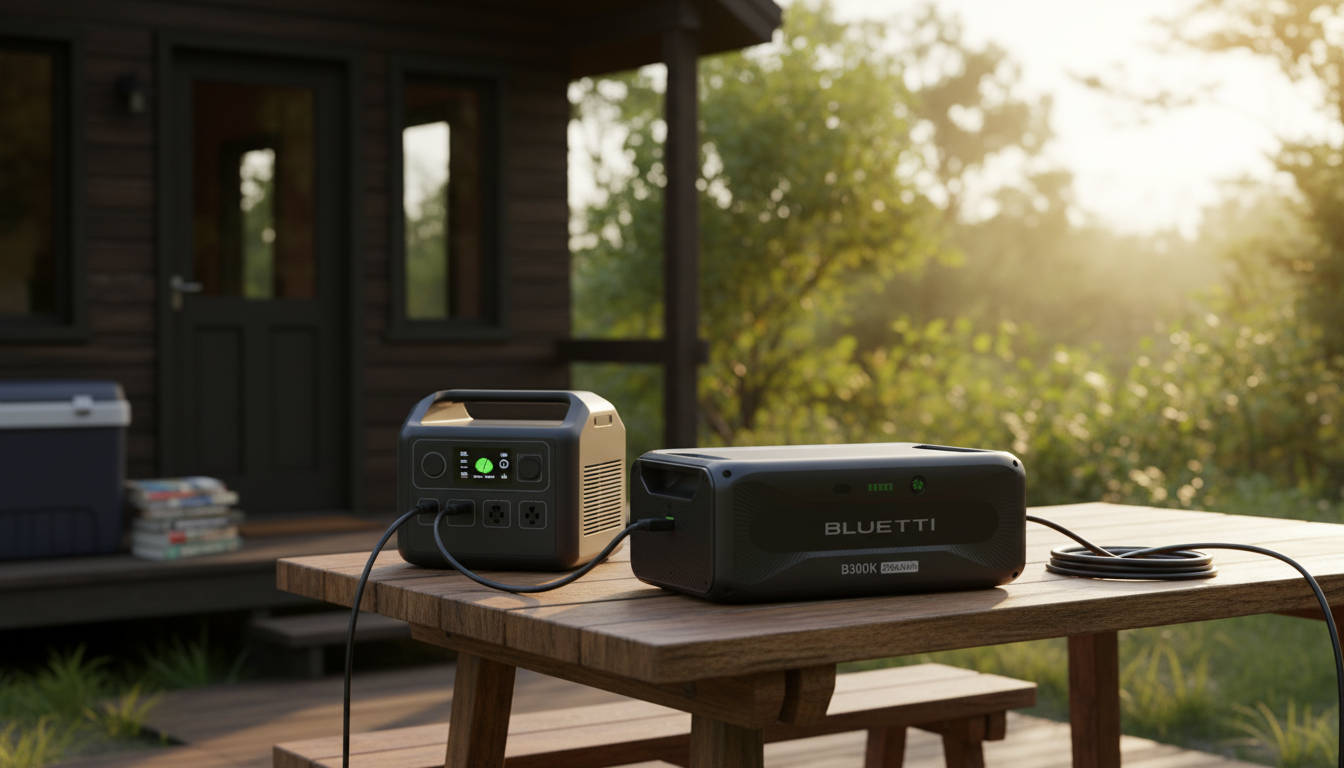
An expansion battery extends runtime by adding stored energy (watt-hours) to a compatible power station rather than replacing it. That extra capacity is especially useful for multi-day outages, overnight needs (fans, small medical devices, networking), and keeping refrigerated food safer for longer.
It’s also different from a typical “power bank.” Expansion batteries are designed to pair with specific power stations using dedicated ports and cables and, in many cases, a communication link that manages charging, state-of-charge reporting, and safety protections.
LiFePO4 (lithium iron phosphate) chemistry is widely chosen for this role because it’s known for strong thermal stability and long cycle life compared with many lithium-ion alternatives, making it a practical match for backup systems that may be cycled regularly.
Key Specs That Matter for a 2764Wh LiFePO4 Battery
Capacity is the headline: 2764Wh is the primary driver of runtime. If your load stays the same, more watt-hours generally means more hours (or days) of backup.
Next is chemistry. A LiFePO4 expansion battery is commonly associated with long usable life under repeat charging and discharging—helpful for anyone who intends to use the system for camping season, regular job-site power, or frequent outages.
Also pay attention to usable energy versus rated energy. Real-world output depends on conversion losses (DC-to-AC inverter efficiency inside the power station, DC regulators, cable losses) and the load profile. Planning with a conservative “usable” estimate helps avoid surprises when temperatures drop or loads spike.
Estimating Runtime From 2764Wh (Typical Real-World Use)
| Device / Load |
Approx. Power Draw (W) |
Estimated Runtime (hours)* |
Notes |
| Wi‑Fi router + modem |
20 |
110–125 |
Often a top priority for outages |
| LED lighting (whole room) |
30 |
70–90 |
Depends on bulb count and dimming |
| Portable CPAP (no heater) |
40 |
55–70 |
Humidifier/heated tube reduces runtime |
| Laptop charging/usage |
60 |
35–45 |
Higher under heavy CPU load |
| Mini fridge (average) |
80 |
25–35 |
Compressor cycling changes hourly average |
| Box fan |
50 |
40–55 |
Lower speed extends runtime substantially |
| TV + streaming device |
120 |
18–22 |
Brightness and audio volume matter |
| Microwave (short bursts) |
1000 |
2–2.5 (equivalent) |
Best treated as intermittent use |
*Estimates assume typical system losses and average loads. For more accurate numbers, measure your devices and calculate energy use; the U.S. Department of Energy provides a helpful overview of estimating home electronics consumption: https://www.energy.gov/energysaver/estimating-appliance-and-home-electronic-energy-use.
Compatibility: How to Confirm It Will Work With a Power Station
Charging behavior is just as important. Verify whether the power station can charge its internal battery and the expansion battery simultaneously (AC and/or solar), and what the combined charge rate will be. If solar is part of the plan, remember that extra battery increases storage, not solar input capacity. Your power station’s MPPT/controller limits are often the real bottleneck; tools like PVWatts can help estimate expected solar production by location and season: https://pvwatts.nrel.gov/.
Sizing for Home Backup: What 2764Wh Can (and Can’t) Cover
Quick Capacity Planning for Essential Loads
| Scenario |
Example Daily Energy Use (Wh/day) |
What a 2764Wh Battery Could Provide |
Practical Tip |
| Connectivity + lights |
300–600 |
4–8 days |
Use LED lighting and power strips |
| Connectivity + lights + fan |
800–1200 |
2–3 days |
Run fans on low, especially overnight |
| Add fridge/freezer support |
1200–2000 |
1–2 days |
Pre-chill, limit door openings |
| Work-from-home basics |
800–1500 |
1.5–3 days |
Schedule laptop charging during solar/AC availability |
Off-Grid and Mobile Use Cases
Charging Strategy: AC, Solar, and Generator Pairing
Generator pairing can be efficient when fuel is scarce: run the generator for a planned recharge window, then shut it off and live on stored power. If you do use a generator, follow established carbon monoxide safety guidance and keep combustion sources outside and away from openings; NFPA provides a solid overview: https://www.nfpa.org/education-and-research/home-fire-safety/carbon-monoxide.
Safety, Longevity, and Storage Best Practices
Product Options In Stock
FAQ
How many LiFePO4 batteries to power a house?
It depends on your daily energy use (kWh/day) and which loads you include. Add up essential loads, divide by the usable capacity per battery after system losses, and include extra margin for longer outages or low-solar days.
What is the best power bank for off-grid?
For off-grid use, prioritize usable watt-hours, reliable solar charging through a compatible power station, and durability. For multi-day essentials, an expansion battery paired with a power station is often more practical than small handheld power banks.
What type of battery is best for off-grid?
LiFePO4 is commonly chosen for off-grid storage due to long cycle life and thermal stability. Lead-acid can cost less upfront, but it typically offers fewer usable cycles and more limitations around deep discharging.
Recommended for you










Leave a comment