Are back stretchers good for your back?
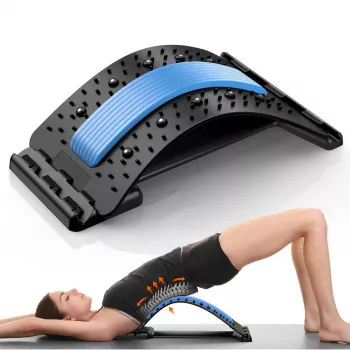
Back stretchers can be good for your back when they’re used correctly and for the right reason. Most are designed to gently extend (stretch) the muscles along the spine and encourage a more open posture, which may help relieve mild stiffness from sitting, desk work, or general tightness. Many people find short sessions relaxing and notice temporary relief in the upper or lower back.
That said, a back stretcher isn’t a cure-all. If back pain comes from an injury, nerve irritation, disc issues, or an underlying medical condition, aggressive stretching or extension can make symptoms worse. The best results usually come from using a back stretcher as one part of a broader routine that includes movement, strengthening, and smart ergonomics.
Potential benefits
A well-designed stretcher may help reduce muscle tension, improve flexibility, and provide a gentle decompression-like sensation. It can also serve as a posture “reset,” especially after long periods of slouching, and may increase comfort by easing tight hip flexors and back muscles that contribute to stiffness.
When it may not be a good idea
Avoid or use extra caution if you have sharp pain, pain shooting down the leg or arm, numbness/tingling, osteoporosis, spinal fractures, recent surgery, or known disc herniation—especially if back extension triggers symptoms. If any position increases pain rather than easing it, stop and get medical guidance.
How to use one safely
Start low and slow: choose the gentlest setting, limit sessions to a few minutes, and focus on relaxed breathing. Keep movements controlled, avoid forcing range of motion, and aim for “mild stretch” rather than intense pressure. Consistency (short, comfortable sessions) tends to be safer than pushing too hard once.
For a deeper breakdown of benefits, risks, and tips for choosing and using one, visit the main guide: Are back stretchers good for your back?
FAQ
How long should you use a back stretcher each day?
Many people start with 2–5 minutes on the lowest level and gradually build up if it feels good. If you feel increased pain, numbness, or lingering soreness afterward, reduce time/intensity or stop and consult a professional.
Recommended for you












Leave a comment