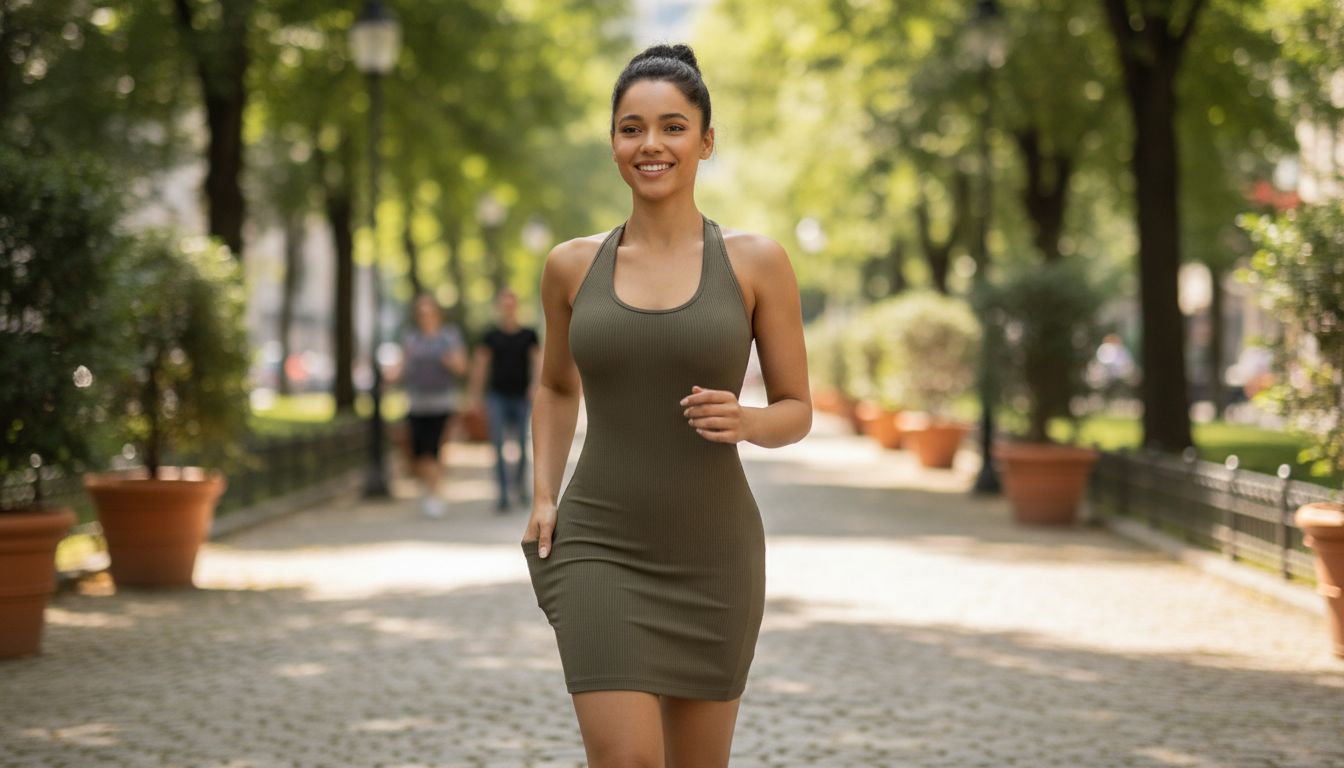
A one-piece athletic dress blends the ease of a dress with the function of training wear—built for walking, tennis, errands, and travel. The right pick feels breathable, stays put through movement, and simplifies getting dressed without sacrificing performance details like stretch, support, and pocket practicality.
What Makes an Athletic Dress Different
Unlike a casual sundress, an athletic dress is engineered for motion and heat management. That means it’s designed to move with you, recover its shape, and stay comfortable when your day includes everything from a brisk walk to a long airport line.
- Designed for motion: Stretch fabrics and athletic patterning reduce pulling at the shoulders, hips, and thighs.
- Sweat management: Quick-drying materials help limit cling and keep you feeling fresher after warm-weather activity.
- Built-in coverage options: Many styles include integrated shorts/liners (or are cut to layer easily) for confidence on stairs, bikes, and windy days.
- Versatile silhouette: With a quick shoe swap, it can go from workout-ready to casually styled.
Highlights to Look For Before Buying
Small design details make a big difference once you’re moving. Use the checklist below to find a dress that feels “secure” rather than fussy.
- Fabric feel: Prioritize soft stretch with strong recovery so it doesn’t bag out after a few wears.
- Breathability: Mesh zones or lighter-knit panels help in warm weather and indoor studios.
- Built-in shorts or liner: Helps reduce chafing and adds confidence during lunges, stairs, and quick turns.
- Pocket layout: Side-thigh pockets on shorts (or well-placed hidden pockets) tend to hold phones and keys most securely.
- Neckline and straps: Higher necklines and wider straps typically feel more stable for running and court sports.
- Hem length: Go slightly longer for golf/walking; slightly shorter for tennis/running (especially with built-in shorts).
- Support level: Light support works for yoga/walking; higher-impact days may call for a sports bra or supportive inner construction.
Fit and Sizing: Getting a Secure Feel Without Restriction
Fit is where athletic dresses either shine or become a distraction. A good fit stays in place when you reach, squat, and stride—without digging in.
- Start with the bust and torso: If the top feels tight, the skirt may ride up once you move.
- Check armhole comfort: Too tight can chafe; too loose can gap and reduce support.
- Move-test in the mirror: Raise arms overhead, do a squat, and take a few strides—watch for twisting, riding, or pulling.
- If between sizes: Size up for torso comfort; size down only when the fabric has strong compression and you prefer a snug fit.
- Layering plan: If you’ll wear a bra top underneath or add a light jacket, make sure the shoulders and chest have room.
When to Wear It: Real-World Use Cases
An athletic dress is at its best on days that blend comfort, function, and “put-together” style.
For sunny days, consider pairing sun-protective clothing with smart sunscreen habits. The Skin Cancer Foundation explains how UPF clothing works as part of a sun-safety routine.
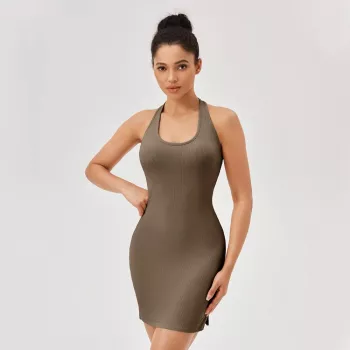
If you want an easy, grab-and-go staple, the Women’s One-Piece Athletic Dress is a streamlined option for active days. It’s built to keep movement simple and outfit planning quick—whether you’re heading out for a walk, running errands, or styling a sporty look for travel.
Outfit Pairings That Make It More Wearable
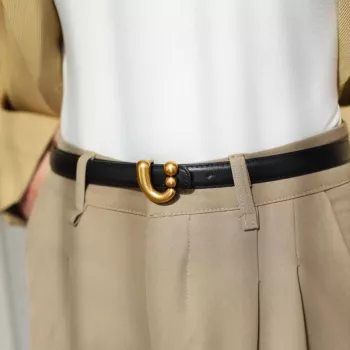
- Define the waist: Add the Genuine Leather Women’s Skinny Belt with Retro Gold Buckle for a more polished, day-to-dinner silhouette.
- Footwear swaps: Trainers for errands, court shoes for play, and sandals for relaxed summer styling.
- Light layers: A cropped jacket keeps proportions sporty; an oversized button-down adds breathable coverage.
- Bag choice: Crossbody for hands-free movement; tote for gym-to-errands transitions.
- Heat-friendly add-on: For travel and outdoor days, a compact airflow option like the Portable Rechargeable Fan with LED Light can make warm waits and commutes more comfortable.
Care Tips to Keep Performance Fabric Feeling New
Performance fabrics last longer when you treat them like performance gear. Check the garment’s tag first, then follow best practices to protect stretch and moisture-wicking finishes. The FTC’s guidance on care labeling is a helpful reference for understanding common symbols and instructions.
Choosing Between Similar Options
Fast comparison
| Option |
Best for |
Trade-offs |
| One-piece athletic dress |
Quick outfits, warm weather, errands + light activity |
Support varies; may need a sports bra depending on activity |
| Skirt + performance top |
Mix-and-match sizing, more styling options |
More pieces to coordinate; waistband comfort varies |
| Romper/onesie |
Studio workouts, sleek fit |
Less convenient for bathroom breaks; can feel warmer |
FAQ
Can an athletic dress be worn for running or tennis?
Yes—if it feels secure during jumping or serving and has stable coverage (like built-in shorts or a liner). For higher-impact activity, pair it with a supportive sports bra and choose a fit that doesn’t twist or ride up during a quick stride-and-squat test.
Do athletic dresses usually have built-in shorts or pockets?
Many do, but it varies by style. Look for integrated shorts/liners for chafe prevention and thigh pockets for better phone stability; if pockets are only on the skirt, keep items light to reduce bounce.
How should an athletic dress fit in the torso?
It should be snug enough to stay in place when you raise your arms overhead, but not so tight that it pulls across the bust or digs at the armholes. A comfortable torso fit helps the skirt hang smoothly and reduces riding up during movement.
Recommended for you









Leave a comment