What are hair clippers made of?
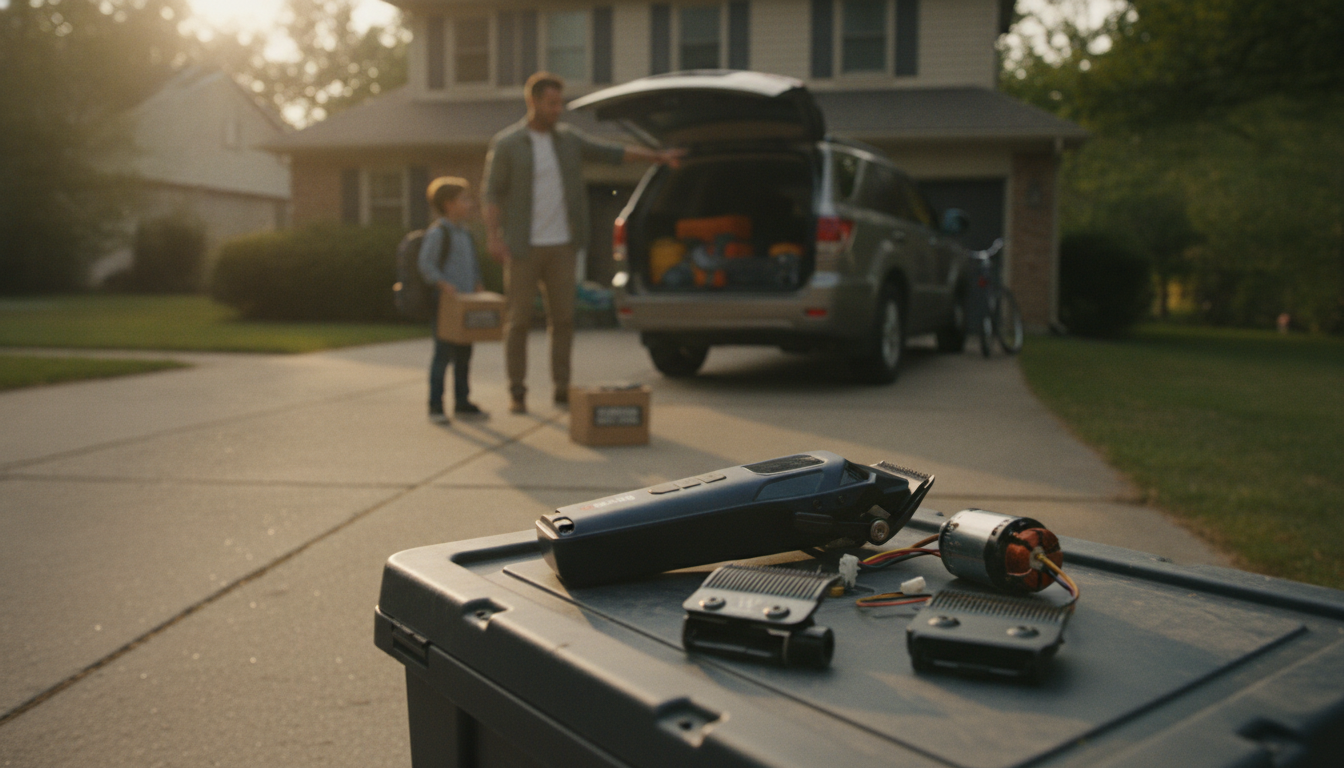
Hair clippers are built from a mix of metals, engineered plastics, and electronic components designed to handle heat, vibration, and repeated contact with hair products. While details vary by model, most clippers share the same core material “recipe”: durable housing on the outside, precision steel at the cutting edge, and a compact motor-and-drive system inside.
Blade materials
The cutting blades are typically made from stainless steel, high-carbon steel, or a coated steel variant. Stainless steel resists rust and staining, which matters when clippers are cleaned often. High-carbon steel is prized for edge retention and crisp cutting, but it may need more care to prevent corrosion. Many blades also use coatings (such as titanium or DLC-style coatings) to reduce friction, run cooler, and extend sharpness—especially helpful for close fades and bulk removal.
Body and housing materials
The outer shell is commonly made from impact-resistant ABS or polycarbonate plastic to keep weight manageable and improve grip. Some professional models add metal components—often aluminum or zinc alloy—for a sturdier feel and better heat dissipation. Textured rubber overmolds or silicone grip panels are also used to reduce slipping when hands are damp or coated with product.
Motor, drive, and internal parts
Inside, clippers use copper windings in the motor, steel shafts, and a drive mechanism (cam/fork/yoke depending on the design) that converts rotation into the blade’s side-to-side motion. Bearings, bushings, and small gears may be steel or polymer composites. Wiring insulation and connectors are typically heat-resistant plastics.
Battery and electronics (cordless models)
Cordless clippers usually contain a lithium-ion battery cell, a protective battery management circuit, and a control board that regulates power delivery. Buttons, LEDs, and charging contacts are made from plastics and conductive metals like copper and nickel-plated alloys.
For a deeper look at clipper performance factors like motor speed, blade behavior, and fade-friendly design, visit the main guide here: https://ellixuro.com/guide-9000rpm-high-speed-hair-clipper-fade-trimmer-guide/.
FAQ
How do you clean and maintain hair clipper blades?
Brush out loose hair after each use, disinfect the blades with a clipper-safe spray, and add a few drops of clipper oil to reduce friction and wear. If the blades are removable, occasional deeper cleaning prevents buildup that can cause pulling or overheating.
Recommended for you









Leave a comment