What materials are common in kawaii turtle plushies, and how can you tell if one will feel soft and durable?
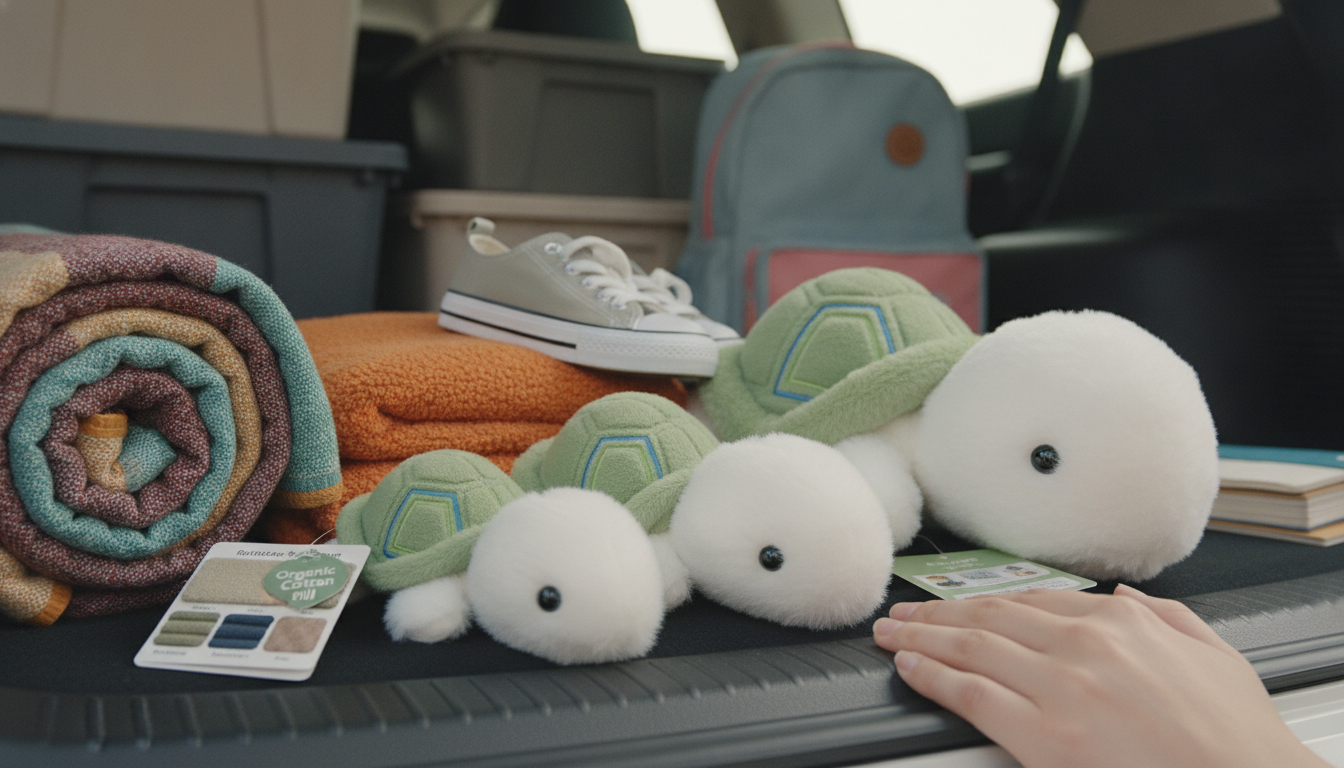
Kawaii turtle plushies usually combine a cuddly outer fabric with a resilient inner fill, plus small details (eyes, shell accents, flippers) that affect both feel and longevity. Knowing what each material does makes it easier to choose a plush that stays soft after lots of hugs—and holds up to everyday handling.
Common materials you’ll see in kawaii turtle plushies
Outer fabrics
Polyester “minky” is one of the most popular options because it feels buttery-smooth and resists wrinkling. Velboa (a short-pile plush) is also common; it’s slightly more structured and tends to hide seams well. Some turtles use fleece for a cozy, matte finish, while plush faux fur may appear on shell trims or accents for extra texture.
Stuffing/fill
Most plushies use polyester fiberfill (often called PP cotton). It’s lightweight, springy, and generally keeps its loft if it’s packed well. Higher-quality plushies may feel evenly filled without hard lumps or empty spots, especially around the head and shell.
Details and notions
Embroidered features (eyes, blush, smiles) are typically more durable and kid-friendly than hard plastic pieces. If the plush does use safety eyes, they should be firmly anchored and sit flush against the fabric. Decorative elements like bows or shell patches are often made from felt, satin, or layered polyester.
How to tell if it will feel soft and durable
Check the hand-feel and pile
Run your fingers both with and against the nap. Softer plush fabrics feel smooth in both directions and bounce back quickly. If the pile looks sparse, rough, or “shiny” in patches, it may matt down faster over time.
Inspect stitching and seam strength
Look for tight, even stitches and clean seam lines, especially around flippers, the neck, and the shell edge where stress is highest. Gently squeeze and flex these areas; a well-made plush won’t show gaps or stretching threads.
Assess fill consistency
Give the plush a gentle squeeze and release. Quality fill rebounds without staying flattened, and it shouldn’t feel clumpy. The shell should feel supportive but still squishy—not stiff like a board.
For a deeper material breakdown and extra buying tips, visit the full guide here.
FAQ
Are embroidered eyes better than plastic safety eyes on plushies?
Embroidered eyes are typically more durable against scratching and are a safer choice for small children since there are no hard parts to loosen. Plastic safety eyes can be fine when securely installed, but they should feel firmly attached with no wobble.
Recommended for you









Leave a comment