How to make a wooden beam balance?
A wooden beam balance is a simple, accurate tool for comparing weights using a pivoting beam, a centered fulcrum, and two hanging pans. The key is symmetry: equal arm lengths, a low-friction pivot, and pans that hang at the same height. With careful measuring and a few basic materials, you can build one that’s stable enough for classroom demos, hobby work, or light shop use.
Materials and tools
Start with straight, dry wood for the beam (a hardwood strip is ideal), a sturdy base, a vertical support post, and a crossbar or yoke to hold the pivot. For the pivot, use a small bolt and washers, a nail hardened at the tip, or a metal pin seated in smooth holes. You’ll also need two identical containers or shallow cups for pans, light chain or strong string, and small screw eyes or hooks. A ruler, square, drill, sandpaper, and clamps make setup much easier.
Build the stand and pivot
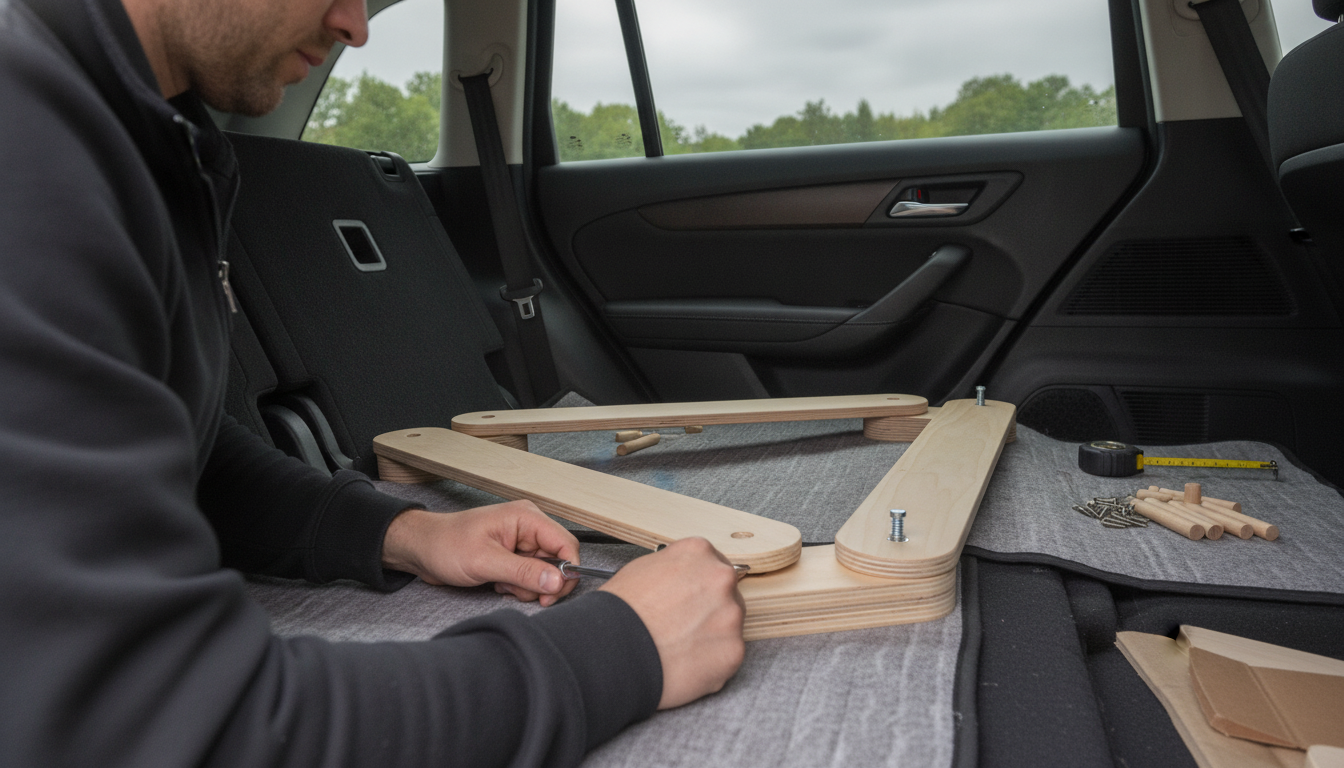
Make a base wide enough that the balance won’t tip when loaded. Attach a vertical post at the center of the base, then add a top crosspiece. Drill a clean pivot hole through the beam’s exact center and mount it so the beam swings freely with minimal side-to-side wobble. Sand any contact points and use washers to reduce friction. The beam should hang level when nothing is attached.
Mark equal arms and hang the pans
Measure from the pivot to each end of the beam and mark equal distances for the hanging points. Install screw eyes at those marks. Hang both pans using equal lengths of chain or string so they sit at the same height and don’t rub the base. If one side dips, adjust knot positions or chain links until the beam rests level.
Calibrate for better accuracy
Add a small pointer under the beam (or a fixed center mark on the stand) to make “level” easy to see. Fine-tune balance by adding a tiny counterweight (like a small washer) near the lighter side, shifting it until the beam returns to level when both pans are empty. For a more detailed walkthrough and build variations, see this complete wooden beam balance guide.
FAQ
What wood works best for a beam balance beam?
Use a straight, stable hardwood strip (like maple or oak) for stiffness and consistency. Avoid warped or knotty boards, since uneven density can throw off balance.
Recommended for you










Leave a comment