Armani Exchange Men’s Blazer: Clean Tailoring for Work, Nights Out, and Smart-Casual Days
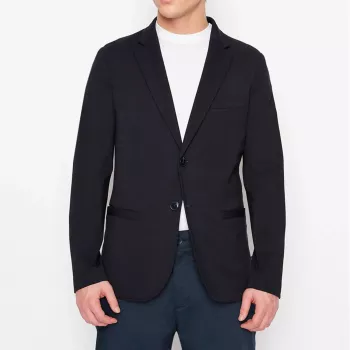
A structured blazer can sharpen an outfit without feeling overdressed. The Armani Exchange Men’s Blazer is positioned as an easy, modern layer that works across office settings, dinners, and weekend smart-casual looks—especially when the fit, fabric, and styling are chosen with intention. The payoff is simple: a cleaner silhouette, better proportions, and an outfit that looks “put together” with minimal effort.
What sets the Armani Exchange approach apart
Armani Exchange styling tends to lean contemporary—clean lines, a streamlined profile, and an overall sharper feel than traditional, boxier suiting. That makes this type of blazer especially useful when the goal is to look polished without drifting into “full suit” territory.
- Modern, streamlined profile designed to look crisp with minimal effort
- Easy pairing with jeans, chinos, or tailored trousers for flexible wear
- A polished layer that can be dressed up with a shirt and loafers or dressed down with a tee and clean sneakers
- Brand styling typically favors sharp lines and a contemporary silhouette rather than traditional, boxy suiting
Quick specs and buying snapshot
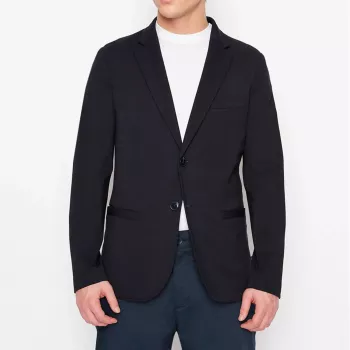
Listing details can change, so it’s worth confirming sizing, return terms, and any fabric/care notes shown on the product page before checkout. Also scan product photos for lapel shape, button stance, and overall structure—those elements influence whether the blazer reads more formal or more casual.
Fit and sizing: the difference between sharp and sloppy
Fit is the make-or-break factor for any blazer. A modern blazer should look clean through the shoulders and chest, lightly shaped at the waist, and proportionate in length—otherwise the outfit can swing from “tailored” to “borrowed” fast.
- Shoulders: shoulder seams should align with the edge of the shoulder bone; excess overhang reads too large and makes the upper body look droopy.
- Chest and waist: it should close without pulling across the buttons. Gentle waist shaping creates a sharper line even with casual pants.
- Sleeve length: with a dress shirt, aim for a small cuff reveal. With tees or knits, sleeves should not cover the hand.
- Blazer length: modern fits can run slightly shorter, but it should still balance proportions and generally cover the seat appropriately.
- Tailoring: small alterations—especially sleeve length and waist suppression—often make a bigger difference than upgrading accessories.
If you need a refresher on taking basic measurements (chest, waist, sleeve), a step-by-step guide can help you compare your numbers to any sizing info provided: How to measure yourself for clothing.
Fabric, structure, and comfort cues to look for
Two blazers can look similar on a hanger and feel totally different on the body. Comfort comes down to a few practical cues: lining, fabric weight, and whether the material has stretch.
- Lining and construction: fully lined blazers feel smooth and slide on easily, but can run warmer. Less lining often increases breathability.
- Stretch blends: a bit of stretch helps mobility (especially when driving, traveling, or working long days) and can reduce wrinkling.
- Fabric weight: heavier fabrics tend to hold shape and look sharper; lighter fabrics layer easily and feel less restrictive.
- Care requirements: dry-clean-only pieces demand more upkeep, while easier-care options suit frequent wear and quick turnarounds.
How to style it across occasions
A modern blazer earns its place when it can move from desk to dinner without a full outfit change. Keep the silhouette lean and the palette intentional, and the blazer does the heavy lifting.
Work smart
Pair it with a button-down and slim chinos or tailored trousers. Finish with leather shoes (derbies, loafers, or clean dress boots). Muted colors and minimal patterns keep the look crisp and office-appropriate.
Date night
Layer it over a fitted knit or a clean, quality tee. Add dark denim and minimal sneakers or Chelsea boots. The key is contrast: the blazer provides structure, while the rest stays simple and modern.
Event-ready
Go with a crisp shirt and refined accessories. Keep pockets light—bulky keys or a stuffed wallet can distort the blazer lines and create an unflattering drape.
Smart-casual weekend
Combine the blazer with a plain tee, straight-leg jeans, and a belt that matches your footwear. This is where a streamlined silhouette shines: it looks intentional even when the outfit is built from basics.
Color and coordination: building a small, usable rotation
If you want a blazer to work hard, versatility beats novelty. Neutral foundations make repeat wears easier and reduce the temptation to “save it” for special occasions.
Care and longevity: keeping the blazer looking new
For deeper guidance on pressing, storage, and dry cleaning, see: Suit and blazer care advice from GQ.
In-stock picks to check out
FAQ
How should a men’s blazer fit in the shoulders and chest?
The shoulder seam should sit right at the edge of your shoulder bone, with no divot or overhang. In the chest, it should button without pulling or forming an “X” crease, and you should be able to move your arms comfortably without extra fabric ballooning in back.
Can this blazer be worn casually with jeans and sneakers?
Yes—keep the jeans dark and well-fitted, choose clean minimalist sneakers, and wear a fitted tee or lightweight knit. Avoid overly formal combinations (like a shiny dress shirt and tie) if you’re aiming for relaxed smart-casual.
What’s the best way to remove wrinkles without damaging the fabric?
Use a garment steamer and let the blazer hang afterward so the fibers relax. If you must press, use a pressing cloth and low heat, and always follow the care label for the safest approach.
Recommended for you








Leave a comment