Do slow feeders work with dry food?
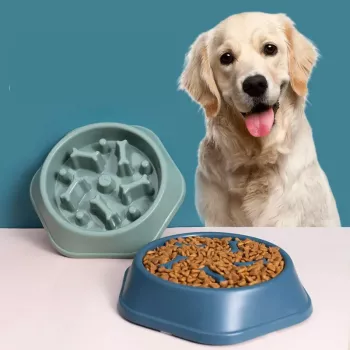
Yes. Slow feeders are generally very effective with dry kibble because the ridges, pockets, and maze-like channels physically slow down how quickly a dog can grab mouthfuls. Instead of gulping, most dogs have to nudge and pick out pieces, which naturally stretches out mealtime and can reduce scarf-and-barf behavior for many pets.
How dry food behaves in a slow feeder
Kibble tends to be the easiest food type for slow feeders because it doesn’t smear or pack into tight corners the way wet food can. The pieces roll into grooves and spaces, forcing your dog to use their tongue, nose, and teeth more deliberately. For many dogs, that extra “work” turns eating into a simple enrichment activity as well.
When a slow feeder may not help much
Results depend on the bowl design and your dog’s style of eating. Some dogs quickly learn to tip, rake, or “vacuum” kibble out, which shortens the slowdown effect. Very small kibble can also move too easily through wide channels, while very large kibble may be grabbed in chunks if the maze pattern is too open.
Tips for better results with kibble
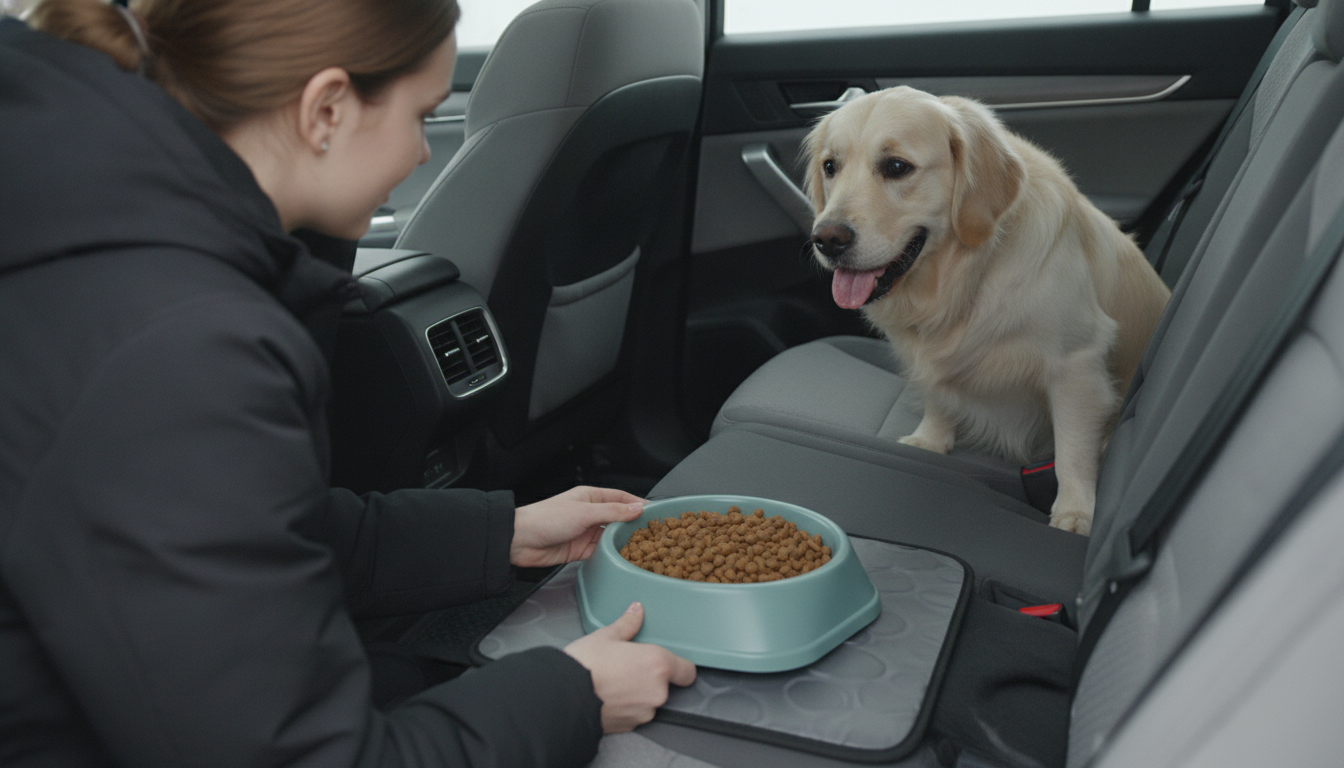
Choose a slow feeder with deeper grooves or a tighter pattern if your dog is a determined gulper. Use a non-slip base (or a mat) so the bowl stays put. If your dog outsmarts the bowl, rotating between different designs can keep it effective. For extra challenge, measure the meal first and consider splitting it into two smaller servings so the pace stays steady from start to finish.
Learn more
For a deeper look at bowl types, common troubleshooting, and how to pick the right design, visit https://ellixuro.com/do-slow-feeders-work-with-dry-food/.
FAQ
Can slow feeders help prevent vomiting from eating too fast?
They often help by reducing gulping and the amount of air a dog swallows while eating. That slower pace can lower the chance of immediate regurgitation, though some dogs may still vomit for other medical or dietary reasons.
Recommended for you










Leave a comment