Your Ultimate Progressive Relaxation Checklist for a Calm, Consistent Daily Practice
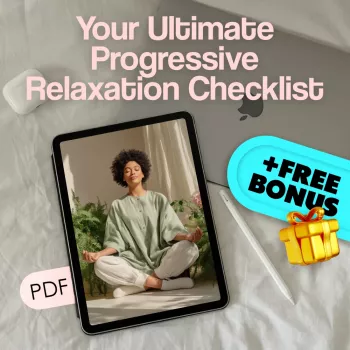
A simple checklist can turn progressive relaxation from an occasional idea into a steady habit. This printable/digital guide is designed to help build a repeatable routine—step by step—so it feels easier to unwind, reset the body, and stay consistent even on busy days.
What progressive relaxation is (and why it works so well with a checklist)
Progressive relaxation is a structured method of releasing tension by moving through muscle groups with intentional tightening (optional) and softening. Instead of trying to “relax” all at once, you follow a clear sequence that helps the nervous system settle as the body learns the contrast between tension and release.
A checklist makes this practice dramatically easier to repeat. When stress is high, decision fatigue is real—choosing what to do next can feel like work. A simple set of checkboxes keeps your mind anchored because the next step is always clear. Over time, consistency matters more than duration; a short daily sequence often creates more noticeable results than occasional long sessions.
Progressive relaxation also pairs well with breath awareness, body scans, and gentle mindfulness routines. For an evidence-based overview of progressive muscle relaxation, visit the Cleveland Clinic’s PMR guide. For additional stress-relief approaches, see Mayo Clinic’s relaxation techniques.
What’s included in the Progressive Relaxation Checklist
The goal is simple: help you complete a start-to-finish relaxation flow without needing to memorize steps or wonder whether you “did it right.” The Progressive Relaxation Checklist (Printable & Digital) is designed as a guided, trackable sequence you can revisit daily.
- A clear order of muscle groups to move through—so you always know what’s next.
- A format that works printed (pen-and-paper) or digital (tablet/phone annotation).
- A flexible structure that fits morning grounding, a midday reset, or an evening wind-down.
- A built-in sense of completion—especially helpful if quiet practices tend to feel restless or “unfinished.”
How to use the checklist in 10 minutes (quick daily reset)
This short version is meant to be doable even on days when you’re busy, tired, or overstimulated.
1) Settle in
Sit or lie down in a comfortable position. Loosen tight clothing, unclench your jaw, and let your shoulders drop away from your ears. If the room feels stuffy or warm, a small comfort upgrade can help you stick with the routine—consider setting up a calm corner with the Portable Rechargeable Fan with LED Light for a more comfortable relaxation space so temperature and lighting don’t become distractions.
2) Choose a breathing pace
Use slow nasal breaths or any steady rhythm that doesn’t strain. If it helps, make the exhale slightly longer than the inhale—just enough to signal “downshift,” not so long that it feels forced.
3) Move through muscle groups in order
A common sequence is: hands/arms → shoulders/face → chest/back → core → hips/legs → feet. You can lightly tense each area for a second or two (optional), then soften on the exhale. If tensing makes you cramp or feel worse, skip it and focus only on releasing.
4) Use one simple cue at each checkbox
At each step, do three things: notice tension, soften on the exhale, then pause briefly to feel the difference. That short pause matters—it teaches your body what “less effort” feels like.
5) Finish with a return moment
Wiggle fingers and toes, open your eyes, and take one steady breath before standing. This helps your mind transition back to the day without feeling groggy.
A simple weekly rhythm to build consistency
7-Day Progressive Relaxation Practice Plan
| Day |
Best time |
Focus |
Duration |
| Day 1 |
Evening |
Full-body overview, go slow |
10 min |
| Day 2 |
Morning |
Upper body release (hands, arms, shoulders, face) |
7–10 min |
| Day 3 |
Midday |
Quick reset (shoulders, jaw, hands, breath) |
5–7 min |
| Day 4 |
Evening |
Lower body release (hips, legs, feet) |
8–10 min |
| Day 5 |
Evening |
Add longer exhale and slower transitions |
10–12 min |
| Day 6 |
Morning |
Gentle practice—no force, notice subtle tension |
7–10 min |
| Day 7 |
Evening |
Full-body flow + 1-minute stillness |
10–12 min |
Printable vs. digital: choosing the format that fits real life
One practical tip: pair the checklist with a recurring reminder so the routine happens before stress builds. If you tend to hold tension in the scalp, jaw, or temples, a gentle add-on after the checklist can feel soothing—try slow, light pressure with the Mist Nourishing Hair Care Massage Comb and keep it brief (comfort only, no forcing).
Common sticking points (and how to make the practice feel easier)
Who this checklist tends to help most
Getting started today
FAQ
How often should progressive relaxation be practiced?
Daily or most days tends to work best, with consistency mattering more than session length. If you’re new, 5–10 minutes is enough to build the habit, and you can extend sessions later if it feels good.
Is progressive relaxation better in the morning or at night?
Morning practice can feel grounding and set a steadier tone for the day, while nighttime practice often supports an easier wind-down. The best choice is the time you can repeat most reliably.
Can progressive relaxation help with stress-related muscle tension?
It can help by training you to notice where you brace and then intentionally release that effort, which may reduce the feeling of tightness over time. Avoid pushing into pain, and seek professional guidance if tension or discomfort is persistent or worsening.
Recommended for you













Leave a comment