Reusable Silicone Facial Mask Cover with Panda Ear Hooks
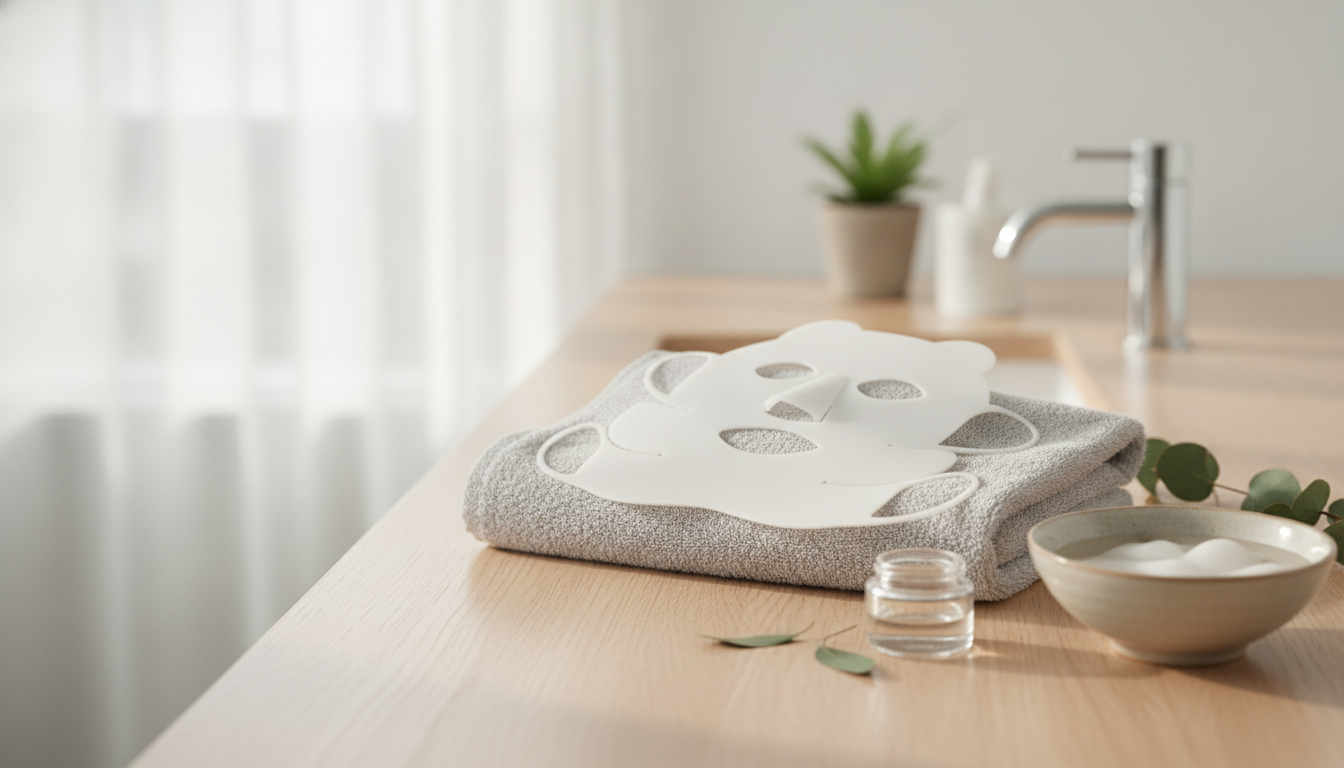
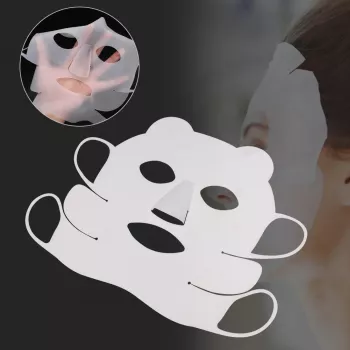
A reusable silicone mask cover is designed to sit over a sheet mask or skincare layer to reduce evaporation, improve contact with the skin, and make masking more comfortable to wear while moving around. This panda-ear hook style focuses on a secure fit and less slipping, helping a mask stay in place through the full treatment time.
What It Is and What It Does
A silicone facial mask cover is a soft, flexible layer worn on top of a standard sheet mask. Instead of replacing your favorite serum or sheet mask, it acts like a “hold-it-in-place” shield that helps the mask stay flush against the skin.
- A soft silicone cover worn over a sheet mask to help hold it against the face.
- Creates a more occlusive environment, which can slow drying and support better mask-to-skin contact.
- Panda ear hooks help anchor the cover around the ears for stability during use.
- Intended as a reusable beauty tool that pairs with many standard sheet masks and skincare routines.
If sheet masks tend to slide down your cheeks or pop loose around the jawline, a cover can be the difference between a relaxing session and ten minutes of constant readjusting.
Why an Anti-Evaporation Cover Can Improve a Mask Session
Sheet masks work best when they maintain consistent contact and stay comfortably damp for the recommended wear time. In real life, indoor air (AC in summer, heat in winter) can make a mask dry out quicker than expected. A silicone cover helps slow that moisture loss by reducing airflow over the mask surface.
- Helps keep a sheet mask from lifting at the edges (cheeks, jawline, under-eye area).
- Can reduce the “drying out” feeling that happens when sheet masks start to lose moisture.
- Supports more even contact, which may reduce patchy areas where the sheet mask doesn’t sit flat.
- Useful in dry rooms (air conditioning, heating) where masks can dehydrate faster.
- Can make it easier to multitask lightly (reading, folding laundry) without constant readjusting.
Masking With vs. Without a Silicone Cover
| Scenario |
Sheet Mask Only |
Sheet Mask + Silicone Cover |
| Fit and slipping |
May slide on cheeks/jaw |
More secure hold and less shifting |
| Drying over time |
Can dry faster as essence evaporates |
Evaporation slows; mask stays wetter longer |
| Mess/drips |
More likely to drip if moving |
Cover helps keep mask close to skin |
| Comfort while walking around |
Needs frequent adjustment |
More “set-and-forget” during wear time |
For general facial skin care guidance and safe routine-building, references like the American Academy of Dermatology Association can be helpful. For sheet mask considerations and common do’s and don’ts, the Cleveland Clinic offers a practical overview.
Key Design Details to Look For
Not all mask covers feel the same. Comfort matters, but so does how reliably the cover stays in place—especially if you like to mask while upright.
- Ear-hook stability: panda ear hooks are designed to stay put without constant tugging.
- Flexibility: silicone should stretch enough to fit different face shapes without pulling the sheet mask away.
- Edge seal: a smooth perimeter can help keep the sheet mask edges from lifting.
- Coverage: full-face designs typically support cheeks and jawline better than narrow straps.
- Reusability: durable silicone can be cleaned and used repeatedly when cared for properly.
Look for a fit that feels snug but not tight. If the ear area feels sore, loosen placement, take breaks, or skip the cover altogether for that session.
How to Use It (Step-by-Step)
A silicone cover is simple, but a few small adjustments can make it more comfortable and effective.
- Start with clean skin; apply toner or a light hydrating layer if part of the routine.
- Apply the sheet mask and smooth it from the center outward to remove air pockets.
- Place the silicone cover over the sheet mask, aligning eye/nose/mouth openings as needed.
- Hook the panda ear loops around the ears; adjust tension so it feels secure but not tight.
- Wear for the time recommended on the sheet mask packaging; avoid leaving a sheet mask on until fully dry.
- Remove the silicone cover first, then remove the sheet mask; gently pat remaining essence into skin.
Tip: If you like a calmer environment while masking, save airflow devices for after your mask session—strong airflow during masking can dry products faster.
Cleaning and Care for Reuse
Since this tool is meant to be used again and again, cleaning is part of the routine. The goal is to remove leftover essence and keep the silicone fresh.
Who It’s Best For (and When to Skip It)
Product Snapshot
FAQ
Are reusable silicone face masks good?
They can be useful as covers or occlusive layers that improve sheet mask contact and slow evaporation. The payoff depends on the skincare you pair them with and whether you clean and dry the silicone thoroughly between uses.
Do reusable silicone face patches work?
They can help by keeping products from drying out as quickly and by holding skincare in closer contact with the skin. They don’t replace active ingredients in your routine, but they can support hydration by reducing evaporation.
Can you reuse silicone face masks?
Yes—when the item is designed for reuse and you wash it with mild soap and water, rinse well, and let it air dry completely before storing. For hygiene, it’s best to keep one cover per person rather than sharing.
Recommended for you








Leave a comment