Silicone Double-Sided Bath Brush for Gentle Exfoliation and Daily Body Care
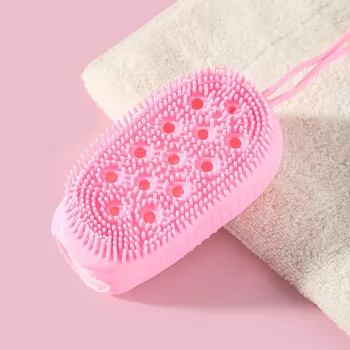
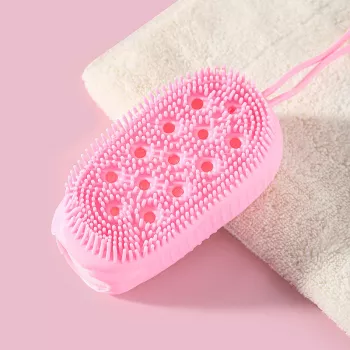
A double-sided silicone bath brush can make shower routines feel more comfortable and consistent: one side helps lift away surface buildup, while the other supports a gentler cleanse for areas that get irritated easily. Soft silicone bristles rinse clean quickly, dry faster than many porous scrub tools, and can feel more skin-friendly for regular use on arms, legs, shoulders, and the back.
What a Double-Sided Silicone Bath Brush Does
Unlike a single-texture scrubber, a double-sided silicone brush is designed to handle both everyday washing and targeted exfoliation without switching tools mid-shower.
- Supports daily cleansing by helping spread body wash evenly and improving contact with the skin.
- Provides two textures in one tool for switching between a gentle wash and more focused exfoliation.
- Helps reach hard-to-scrub areas like the mid-back and shoulders with less strain.
- Silicone material is typically quick-rinsing and less likely to hold odor compared with porous sponges.
If dry, flaky skin is a concern, keeping water warm (not hot) and moisturizing after bathing can help support the skin barrier. The American Academy of Dermatology Association offers practical dry-skin self-care tips that pair well with a gentler shower routine: https://www.aad.org/public/everyday-care/skin-care-basics/dry/dry-skin.
How to Use It for a Comfortable, Effective Shower
A silicone body scrubber works best with light pressure and controlled motions—especially if you’re exfoliating more than once a week.
- Start with warm water to soften the outer layer of skin; avoid very hot water if skin is easily irritated.
- Apply a small amount of body wash to the brush or directly to skin; build a light lather with gentle circular motions.
- Use the softer side for daily cleansing on sensitive areas (neck, chest, inner arms) and the more textured side for elbows, knees, and heels.
- For the back, use slow, controlled strokes; reduce pressure over bony areas like the spine and shoulders.
- Limit focused exfoliation to a few passes per area; over-scrubbing can cause dryness or sensitivity.
Two-Sided Use Guide
| Brush side |
Best for |
Pressure |
How often |
| Softer bristle side |
Daily cleansing and sensitive areas |
Light |
Daily or as needed |
| Textured/exfoliating side |
Elbows, knees, feet, rough patches |
Light to moderate |
2–4 times per week (adjust for skin type) |
| Either side |
Back and shoulders |
Light |
Daily cleansing; exfoliation less often |
Skin Types and When to Keep It Extra Gentle
Silicone tools are often chosen for their softer feel, but technique and frequency still matter. If skin is frequently dry or reactive, scaling back exfoliation can be more effective than “scrubbing harder.”
- Dry or sensitive skin: Prioritize the softer side, reduce exfoliation frequency, and follow with a fragrance-free moisturizer.
- Oily or sweat-prone areas: A silicone brush can help remove sunscreen and body oils more consistently without harsh abrasion.
- Bumps from ingrown hairs: Use light pressure and avoid aggressive scrubbing; pair with hydration to reduce irritation.
- Active irritation (sunburn, rash, open cuts): Skip exfoliation until skin has recovered.
- If using acne treatments or retinoids on the body: Exfoliate less often to avoid over-sensitizing skin.
If symptoms like cracking, persistent itch, or worsening redness continue, it may help to review common causes of dry skin and adjust bathing habits accordingly. Mayo Clinic outlines typical triggers and symptoms here: https://www.mayoclinic.org/diseases-conditions/dry-skin/symptoms-causes/syc-20353885.
Cleaning, Drying, and Replacement Habits
Even when a tool is easier to rinse, good hygiene comes down to how it’s maintained. Keeping bath items clean and dry helps reduce the damp conditions that allow microbes to linger—an approach consistent with broader hygiene guidance such as the CDC’s emphasis on cleaning and drying items used around water: https://www.cdc.gov/healthy-swimming/prevention/index.html.
- Rinse thoroughly after each shower to remove soap residue and skin oils trapped between bristles.
- Shake off excess water and store in a well-ventilated area; avoid leaving it in standing water.
- Weekly deep clean: wash with mild soap and warm water; allow to air-dry completely before the next use.
- Do not share a body brush between people to reduce the chance of transferring bacteria or fungi.
- Replace the brush if bristles deform, if an odor persists after cleaning, or if it becomes difficult to rinse fully.
Why Silicone Can Be a Practical Upgrade from Loofahs and Sponges
Quick Comparison
| Tool type |
Drying speed |
Cleaning ease |
Exfoliation feel |
| Silicone bath brush |
Fast |
High |
Adjustable (gentle to moderate) |
| Loofah |
Slower |
Medium |
Often rougher; can vary as it wears |
| Washcloth |
Medium |
High (launderable) |
Gentle to moderate (depends on fabric) |
Small Routine Pairings for a Full-Body Refresh
For a simple two-step self-care setup, pair a body tool with a scalp-friendly accessory like the Mist Nourishing Hair Care Massage Comb for a comfortable massage finish after washing.
Product Details at a Glance
FAQ
How often should a silicone exfoliating body brush be used?
Use the softer side for daily cleansing as needed. For exfoliation, 2–4 times per week works for many people, but sensitive or very dry skin may need less—reduce frequency if irritation or dryness shows up.
Is a silicone bath brush better than a loofah for hygiene?
Silicone is typically less porous, so it’s often easier to rinse clean and dry quickly. Hygiene still depends on habits: rinse thoroughly, let it air-dry, and don’t share a body brush between people.
Can a body scrubber help with ingrown hairs?
It may help by gently clearing surface buildup, which can support a smoother feel. Keep pressure light, avoid aggressive scrubbing (which can worsen irritation), moisturize consistently, and pause use on inflamed areas.
Recommended for you











Leave a comment