2pcs Canbus 36mm LED Festoon Bulbs for Volkswagen License Plate Lights
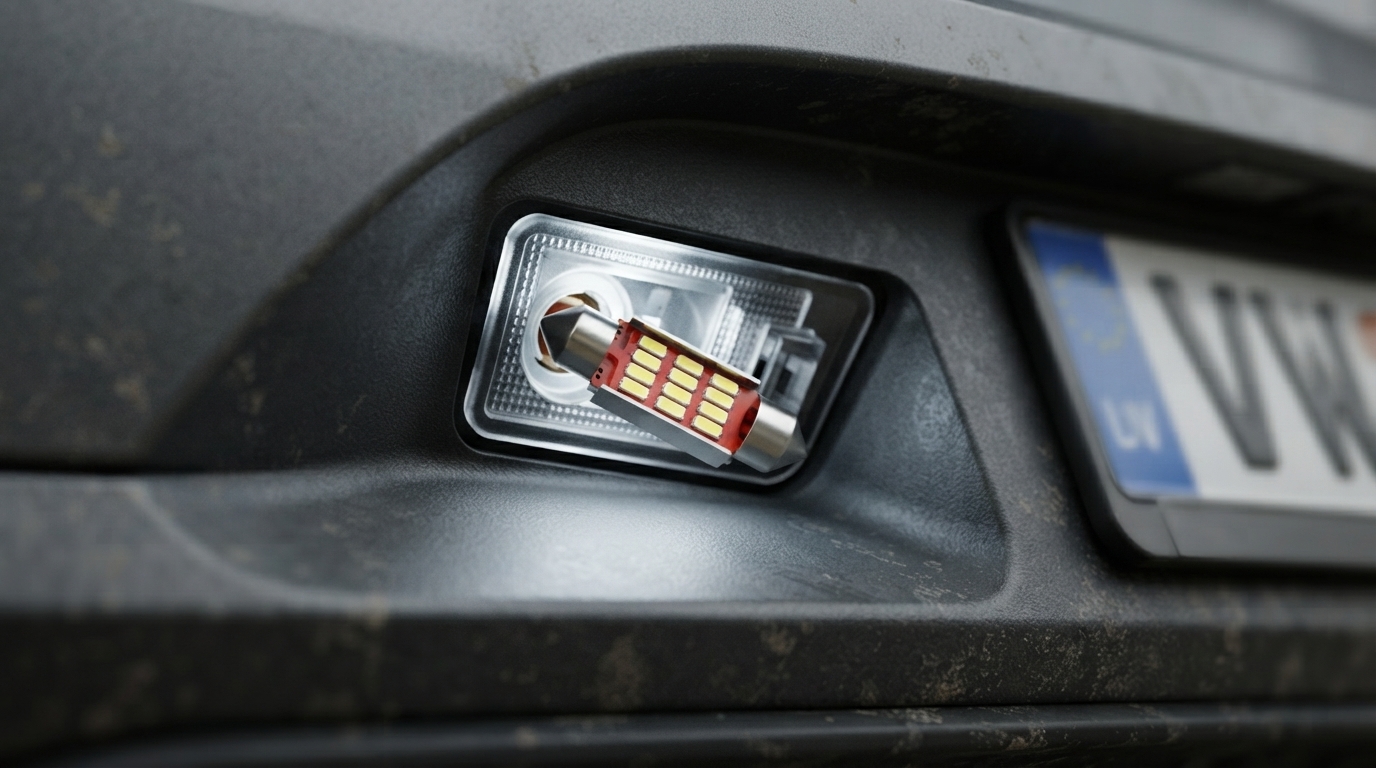
A simple license plate light upgrade can make the rear end look cleaner, improve night visibility around the plate area, and reduce the chance of bulb-out warnings. These 36mm CANbus LED festoon bulbs are designed to fit common Volkswagen license plate housings and deliver a crisp, bright output with a plug-in replacement approach. For more guidance, see Vw Tiguan License Plate Light Bulb – Amazon.com.
What These 36mm CANbus Festoon Bulbs Are
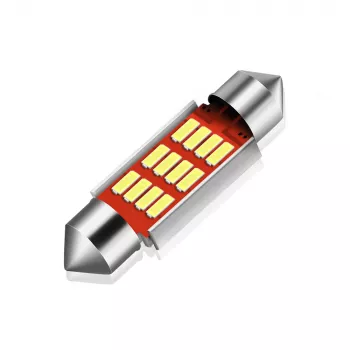
This set is a pair of 36mm festoon-style LED bulbs built for license plate light applications where a compact, bright light source is needed. For further reading, see 2x For Volkswagen VW Golf 4 5 Passat 3B 3BG 3C CC Polo 9N T5 ….
- Pair of 36mm festoon-style LED bulbs intended for license plate light applications
- CANbus-focused design to help reduce dash warnings and flicker on many VW electrical systems
- Brighter, whiter appearance than typical halogen festoons for a more modern look
- Compact format aimed at fitting standard festoon holders found in many VW rear plate lamp units
On vehicles that electronically monitor exterior lighting, LED retrofits can be more “plug-and-play” when the bulb’s electronics better match what the vehicle expects. For general background on retrofit LED behavior and compatibility factors, see OSRAM’s overview of LED replacement lamps at OSRAM.
Vehicle Fitment and Where They’re Commonly Used
These bulbs are most commonly installed in Volkswagen license plate light housings on models such as Golf, Passat, and Polo, but fitment can vary by model year and trim. The most important detail is the festoon length (36mm) and whether the end caps match the holder’s spring clips.
- Often used in Volkswagen license plate light housings on models such as Golf, Passat, and Polo (verify bulb length and socket style before ordering)
- Designed for festoon-type holders; the critical measurement is the festoon length (36mm) and end-cap style
- Can also be used in other interior or auxiliary locations that accept a 36mm festoon, as long as heat clearance and lens space are sufficient
- Best results come from checking the existing bulb markings or measuring the old bulb end-to-end before installation
Quick spec and compatibility checklist
| Checkpoint |
What to verify |
Why it matters |
| Bulb length |
36mm festoon |
Ensures the bulb clips in securely |
| Socket type |
Festoon end caps match holder |
Prevents loose contact and flicker |
| Housing clearance |
Enough space behind lens |
Avoids pressure on lens and hotspots |
| Error sensitivity |
Vehicle checks bulbs electronically |
CANbus support helps reduce warnings |
| Polarity |
Flip if it doesn’t light |
Some festoon circuits are polarity-sensitive |
CANbus Behavior: Warnings, Flicker, and Compatibility Notes
Many Volkswagen models monitor exterior bulbs for current draw and function. When an LED doesn’t match expected electrical behavior, the car may show a bulb-out message, strobing, or a faint flicker. CANbus-style LED festoons generally include circuitry intended to reduce these issues.
- Many Volkswagen models monitor exterior bulbs; non-matching electrical load can trigger warnings
- CANbus-style LED bulbs commonly add circuitry to better mimic expected behavior and reduce flicker
- If a warning still appears, check for corrosion in the holder, weak ground points, or a loose fitment before assuming incompatibility
- Some vehicles or aftermarket housings can be more sensitive; using clean contacts and ensuring firm seating typically improves results
For deeper lighting system basics and common causes of intermittent lamp behavior, HELLA’s technical resources are a helpful reference: HELLA Tech World.
Brightness and Light Color: What Changes After the Swap
Switching from a halogen festoon to a white LED typically changes both brightness and color tone. The most noticeable difference is a cleaner, more modern look that can complement factory LED tail lamps.
- Brighter plate illumination helps improve readability at night and gives a fresher appearance
- Whiter LED color can better match factory LED tail lamps than warm halogen bulbs
- Even light distribution depends on the plate lamp lens design; ensure the bulb sits centered in the holder
- If the output looks patchy, reseat the bulb and confirm the festoon clips are holding both ends evenly
License plate lighting is also regulated in many regions, including requirements about visibility and permissible color. For a regulatory overview (especially useful for EU-driven vehicle standards), review the European Commission’s lighting and light-signalling information here: European Commission – Lighting and light-signalling.
Installation Steps (Typical Volkswagen Plate Light Housing)
Installation is usually straightforward, but access varies by Volkswagen model. Work slowly to avoid cracking the lens or marring painted trim.
Common Issues and Quick Fixes
Care, Longevity, and Legal Considerations
More Home & Everyday Lighting Picks (In Stock)
FAQ
Will these 36mm festoon bulbs fit my Volkswagen?
Measure your current bulb end-to-end to confirm it’s 36mm, and verify that your holder uses standard festoon spring clips. Golf, Passat, and Polo plate lights often use festoons, but model years can differ, so checking the existing bulb markings is the safest approach.
What if a bulb-out warning or flicker still happens?
Reseat the bulb firmly, clean the metal contacts, and check the housing for moisture or corrosion that can change resistance. Also confirm both left and right lamps use the same bulb type, since mismatched loads can cause monitoring issues on some vehicles.
Why didn’t the LED light up after installing it?
Some festoon circuits are polarity-sensitive, so remove the bulb and flip it 180 degrees, then test again. If it still doesn’t light, inspect the spring clips to make sure they’re gripping both end caps securely.
Recommended for you










Leave a comment