Knee-high leather riding boots bring a polished, equestrian-inspired finish to everyday outfits while offering coverage, structure, and long-lasting wear. The right pair balances leather quality, a comfortable shaft fit, and a stable sole so they look sharp with denim, dresses, and tailored layers—season after season.
What Makes Riding Boots a Wardrobe Staple
Riding boots earned their reputation as a go-to essential because they’re clean, practical, and easy to style without feeling overly trend-driven. A well-made pair can move from weekday errands to office layers to dinner plans with minimal effort.
- Clean, elongated silhouette that pairs easily with slim jeans, tights, and midi hemlines
- Knee-high shaft adds warmth and a refined look without relying on heavy hardware
- Low-to-mid heel and supportive sole tend to feel steadier for all-day walking than higher dress boots
- Leather uppers typically mold slightly over time for a more personalized fit
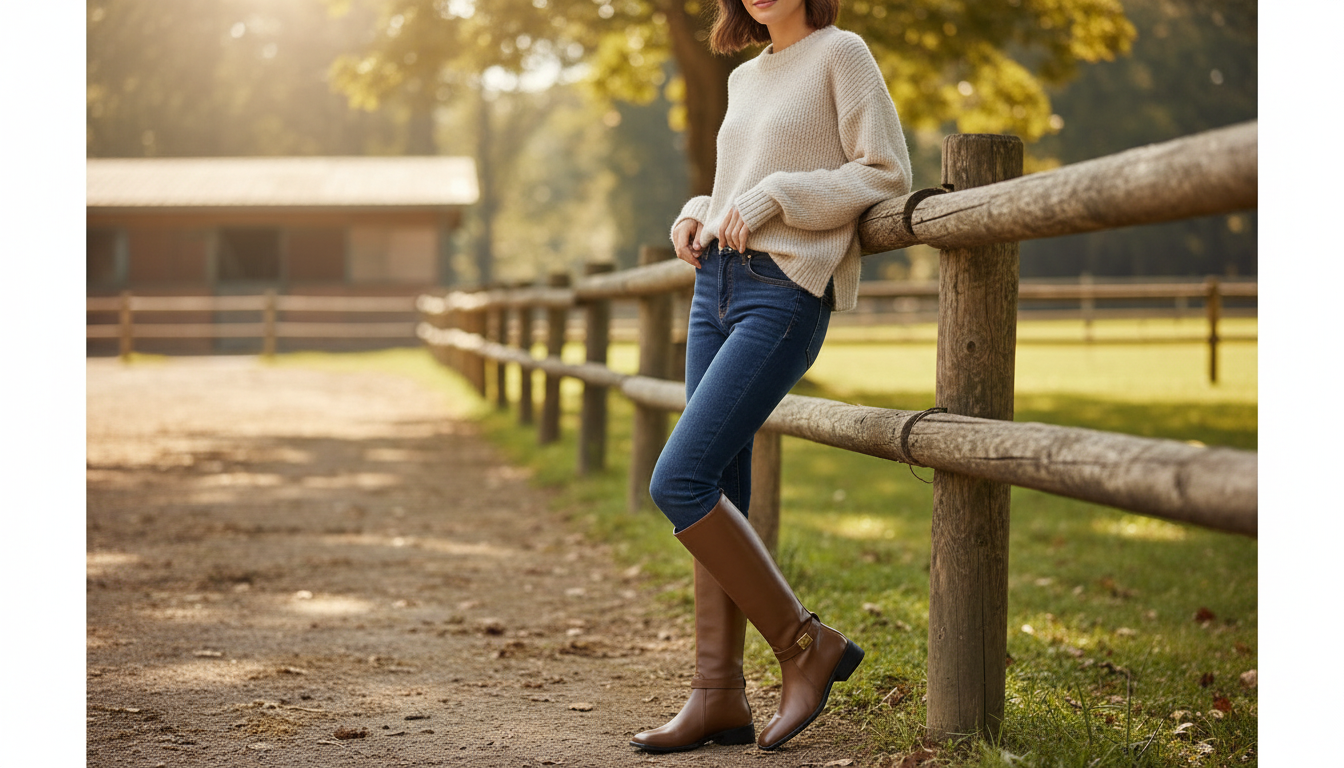
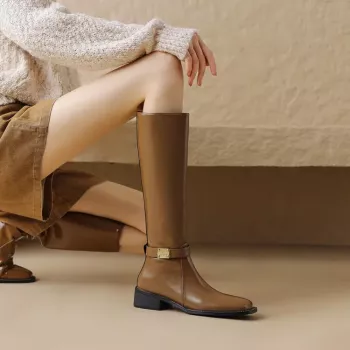
If you’re looking for a classic pair to anchor fall and winter outfits, start with Women’s Knee-High Leather Riding Boots—the kind of streamlined shape that works with everything from dark denim to sweater dresses.
Leather, Lining, and Build Details to Look For
Not all “leather boots” feel or wear the same. Small build details—like lining choice, shaft structure, and outsole material—often make the difference between boots that look great in the box and boots that still feel good after a full day.
- Upper leather: smoother finishes read more classic; lightly textured leather can hide scuffs better
- Lining: breathable linings help reduce hot spots; consider warmer lining if planning for colder months
- Shaft structure: a bit of stiffness keeps the boot standing tall; too rigid can feel restrictive at the calf
- Footbed: cushioned insoles and arch support improve comfort for commuting and long wear
- Outsole: rubber or rubberized soles provide better grip on wet sidewalks than slick leather soles
- Zippers and pulls: sturdy hardware and reinforced stitching reduce the chance of failure at stress points
Common Leather Options and What They Feel Like
| Leather/Finish |
Look |
Wear & Maintenance |
| Smooth full-grain (or similar smooth leather) |
Classic, sleek, dress-ready |
Shows scratches more; conditions well and develops a rich patina |
| Lightly textured leather |
Subtle grain, slightly more casual |
Better at disguising small marks; still benefits from conditioning |
| Coated/leather-look finishes |
Uniform color and shine |
Often easier to wipe clean; may not soften and age like natural leather |
For deeper care basics and product compatibility (conditioners, protectors, and cleaning routines), this Leather Care Guide is a helpful starting point.
Fit and Comfort: Getting the Shaft and Calf Right
The most common frustration with knee-high boots isn’t the foot size—it’s the shaft. A boot can be true-to-size in length and still feel uncomfortable if the calf area is too tight or the shaft height hits in the wrong spot behind the knee.
- Measure calf circumference where the boot will sit; compare to the boot’s stated shaft width when available
- Consider sock thickness: a thin sock for dress wear vs. a medium sock for colder days changes fit
- Knee placement matters: taller shafts can press behind the knee when sitting—look for a slightly lower back cut if sensitive
- Break-in expectations: leather can relax slightly in width, but length typically won’t increase—prioritize toe comfort from day one
- Walking test: check heel slip (a little is normal initially), forefoot flex, and any rubbing at the ankle bone
If you want a quick refresher on general fit and what to watch for with supportive footwear, Foot Health Facts offers practical guidelines that apply to boots as well.
How to Style Knee-High Leather Riding Boots
Riding boots look intentional because they create a long, clean line through the leg. The key is balancing proportions—especially when you’re mixing chunky knits, longer coats, or midi hemlines.
Everyday Denim
- With skinny or straight jeans: tuck in for a clean line; add an oversized sweater or structured blazer
- Color coordination: match boots to a belt or bag for a cohesive look; darker shades read more formal and elongating
Dresses, Skirts, and Tights
- With dresses and skirts: pair with tights for a streamlined look; choose hemlines at or above mid-calf for balance
- Texture play: smooth leather pairs well with ribbed knits, wool skirts, and matte tights to keep the outfit from looking too “shiny” overall
Work-Ready Outfits
- For work outfits: combine with tailored trousers (tucked or cropped) and a long coat for a refined profile
- Polish tip: keep the shaft smooth and upright with shapers for a crisp, professional look
Weather-Ready Styling
Care and Protection for Long-Lasting Leather
For quicker drying after a damp day (without blasting direct heat at the leather), some shoppers like adding gentle airflow nearby—Portable Rechargeable Fan with LED Light – Battery Operated for Home & Travel can be a handy option to keep in a mudroom or travel bag.
Buying Checklist Before Ordering
FAQ
How should knee-high riding boots fit at the calf?
Aim for a snug-but-not-tight feel that still allows comfortable bending and sitting. A small amount of initial snugness can relax slightly as leather breaks in, but pinching or numbness is a sign the shaft is too narrow.
Can leather riding boots be worn in rain or snow?
They can handle light moisture with proper protection. Apply a leather-appropriate water protector, wipe off water and salt promptly, and let them dry naturally away from heat; for heavy snow and slush, a lugged rubber sole and frequent cleaning help a lot.
How often should leather boots be conditioned?
Condition when the leather looks dull or feels dry, and after repeated wet-weather exposure. For regular wear, conditioning every few weeks to a couple of months is common depending on climate and how often you wear them.
Recommended for you










Leave a comment