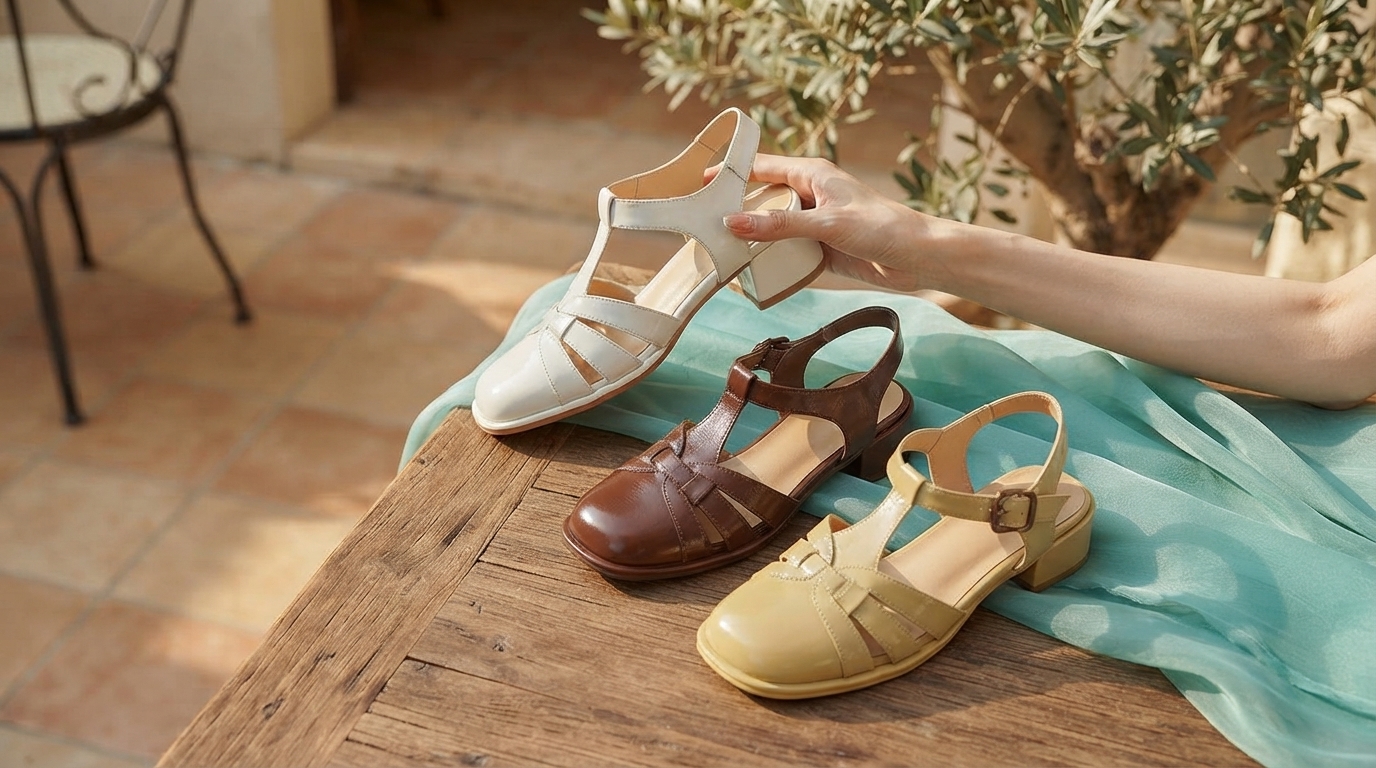
Retro leather gladiator sandals bring together airy comfort, secure strapping, and a timeless silhouette that works from casual errands to warm-weather trips. The right pair should feel stable without looking heavy, and comfortable without sacrificing that classic, strappy charm. Below is a practical guide to fit, materials, styling, and leather care so your sandals look better (and feel better) the more you wear them.
What Makes the Retro Gladiator Look Work
Gladiator sandals stand out because the design is doing two jobs at once: adding visual interest and keeping your foot secure. The straps create a structured pattern that looks intentional with simple outfits, while also helping prevent the “slide-and-grip” feeling that can happen with looser flats.
Retro-inspired silhouettes pair naturally with everyday warm-weather staples—denim shorts, linen pants, cotton sundresses, and relaxed tailoring. Leather is a big part of the appeal, too: it tends to soften and mold with wear, which can create a more personal fit than many synthetic uppers.
The best-looking pairs are also the easiest to live in. Too many straps can rub, while too few can feel unstable. Look for smart strap placement (supporting the instep and ankle), plus smooth edges that won’t dig in during longer walks.
Material & Build Details That Affect Comfort
Small construction details can make the difference between “cute for an hour” and “easy all afternoon.” When you’re comparing options, prioritize these comfort factors:
- Leather upper: Choose leather that feels supple rather than stiff or plasticky. Burnished edges or folded strap edges can reduce friction where sandals often rub.
- Footbed: A slightly contoured footbed often feels more supportive for all-day wear than a flat, hard platform. If you’re planning lots of walking, avoid footbeds with sharp ridges that press into the arch.
- Outsole: A flexible sole helps your stride feel natural, while a textured tread can improve grip on smooth sidewalks and indoor floors.
- Hardware: Buckles should sit flat and not create pressure points. Reinforced holes and strap loops help prevent stretching and tearing over time.
- Lining and seams: Fewer internal seams usually means fewer hot spots during break-in.
For additional general guidance on supportive footwear and foot comfort, the American Podiatric Medical Association (APMA) and the American Academy of Orthopaedic Surgeons (AAOS) offer helpful foot health resources.
Fit Checklist: Getting the Right Size and Strap Tension
Gladiator sandals are more adjustable than many flats, but fit still matters—especially around the heel and instep.
- Toe room: Your longest toe shouldn’t press into the front edge. A small buffer helps prevent nail pressure on downhill steps or long walks.
- Heel placement: Keep your heel centered on the footbed. Overhang can increase blister risk and may wear the outsole unevenly.
- Strap tension: Aim for “snug and stable” rather than tight. You should be able to slip a fingertip under key straps without pinching.
- High instep considerations: Look for adjustable buckles or multiple strap positions. Avoid overly rigid straps that don’t give at all.
- Break-in approach: Start with short wears. If rubbing shows up, adjust strap position early and consider thin blister-prevention patches until the leather softens.
Quick Style Guide for Everyday Outfits
Retro gladiator sandals can look polished or casual depending on what you pair them with. Keeping the rest of the outfit simple lets the strap pattern do the styling work.
For hot destinations, pairing sandals with a compact comfort item can make long days easier—consider adding the Portable Rechargeable Fan with LED Light – Battery Operated for Home & Travel to a carry-on or beach bag.
Use-Case Match: Where These Sandals Shine
Retro Gladiator Sandals: Feature-to-Benefit Guide
| Feature |
Why it matters |
What to check before buying |
| Adjustable buckle straps |
Improves stability and comfort across different foot shapes |
Multiple holes, sturdy hardware, straps that lay flat |
| Leather upper |
Softens over time and can look better with age |
Smooth edges, even finish, no cracking or excessive stiffness |
| Textured outsole |
Helps reduce slipping on smooth surfaces |
Visible tread pattern and a sole that bends without feeling flimsy |
| Comfortable footbed |
Supports longer wear without fatigue |
Slight contouring or cushioning; no hard ridges under the arch |
Leather Care, Cleaning, and Storage
For more leather care best practices (including spot testing and drying guidance), the Leather Working Group provides helpful information.
Product Spotlight
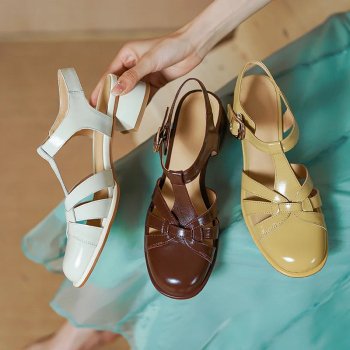
If you’re looking for a classic, easy-to-style pair, Women’s Retro Leather Gladiator Sandals are a warm-weather staple designed around retro strappy styling and everyday versatility.
FAQ
Do leather gladiator sandals stretch over time?
Leather typically softens and molds slightly with wear, which can make the fit feel more customized over time. Stretching is usually modest, so the sandals should still feel comfortable from day one without pinching.
How should gladiator sandals fit around the ankle?
Aim for snug but not tight: you should be able to slide a fingertip under the ankle straps without discomfort. Use the buckle holes to prevent heel slippage, and avoid any setting that causes numbness or pressure.
Can leather sandals be worn in water?
It’s best to avoid soaking leather sandals. Brief dampness is manageable if you air-dry them away from heat and condition them later, but repeated water exposure can dry leather and weaken stitching or adhesives.
Recommended for you








Leave a comment