How long do wooden handles last?
Wooden handles can last anywhere from a few years to several decades, depending on the wood species, how the tool is used, and whether the handle is protected from moisture and impact damage. A shovel or hammer used daily on job sites will usually wear out faster than a garden tool used seasonally and stored indoors.
What determines the lifespan of a wooden handle?
The biggest factors are moisture exposure, repeated shock, and surface wear. Water can swell wood fibers, then shrink them as the handle dries, leading to loosened heads, checking (small cracks), and eventual splitting. Repeated hard strikes or prying can fatigue the grain, especially if the handle has runout (grain that doesn’t follow the length of the handle). Abrasion from dirt, gloves, or rough handling gradually thins the finish and raises splinters.
Typical lifespans by use case
For light home use with decent storage, many hardwood handles (like hickory or ash) often last 10–20+ years. Moderate, frequent use might put the range closer to 5–15 years. Heavy daily use—especially with sledgehammers, axes, digging bars, or tools that get left outside—can shorten life to 1–5 years if maintenance is minimal.
Signs a handle is nearing the end
Replace or re-handle sooner rather than later if you notice long cracks running with the grain, a tool head that repeatedly loosens, soft spots from rot, severe splintering, or a handle that has become noticeably thinner where it rubs. Any crack near the eye (where the head mounts) is a safety issue and should be addressed immediately.
How to make wooden handles last longer
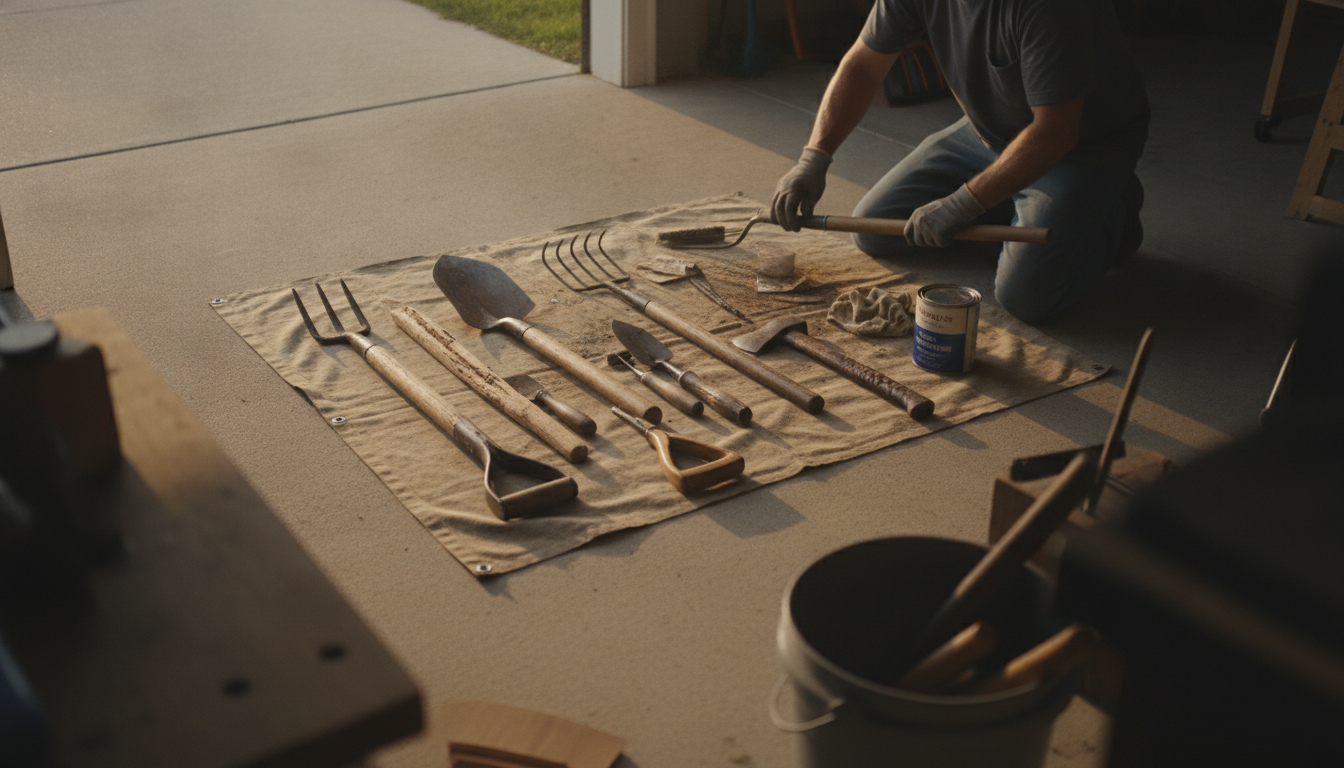
Store tools in a dry place, avoid leaving them in wet grass or snow, and keep the handle clean after muddy work. A light sanding followed by a penetrating oil finish (often boiled linseed oil) can help slow moisture exchange and reduce splinters. Also, using the tool correctly—avoiding sideways prying with a handle not designed for it—prevents premature breakage.
For a deeper breakdown of lifespan ranges, maintenance tips, and common failure points, visit the full guide: https://ellixuro.com/how-long-do-wooden-handles-last/.
FAQ
What’s the best finish to protect a wooden tool handle?
A penetrating oil finish (such as boiled linseed oil) is a common choice because it soaks in, improves grip, and is easy to refresh. Film finishes like thick varnish can get slick and may chip under impact, so they’re less popular for working tools.
Recommended for you









Leave a comment