Is burning sandalwood incense safe?
Burning sandalwood incense is generally safe for most people when it’s used in moderation, made from quality ingredients, and burned in a well-ventilated space. The main safety concerns are smoke exposure, sensitivity to fragrance, and the risk of fire if incense is left unattended or placed on an unstable surface.
What makes sandalwood incense potentially risky?
Any incense produces smoke and tiny airborne particles. For people with asthma, allergies, COPD, or migraines, that smoke and scent can trigger irritation, coughing, headaches, or breathing discomfort. Lower-quality products can also contain synthetic fragrances, dyes, or binders that may increase irritation and create a harsher burn.
How to burn sandalwood incense more safely
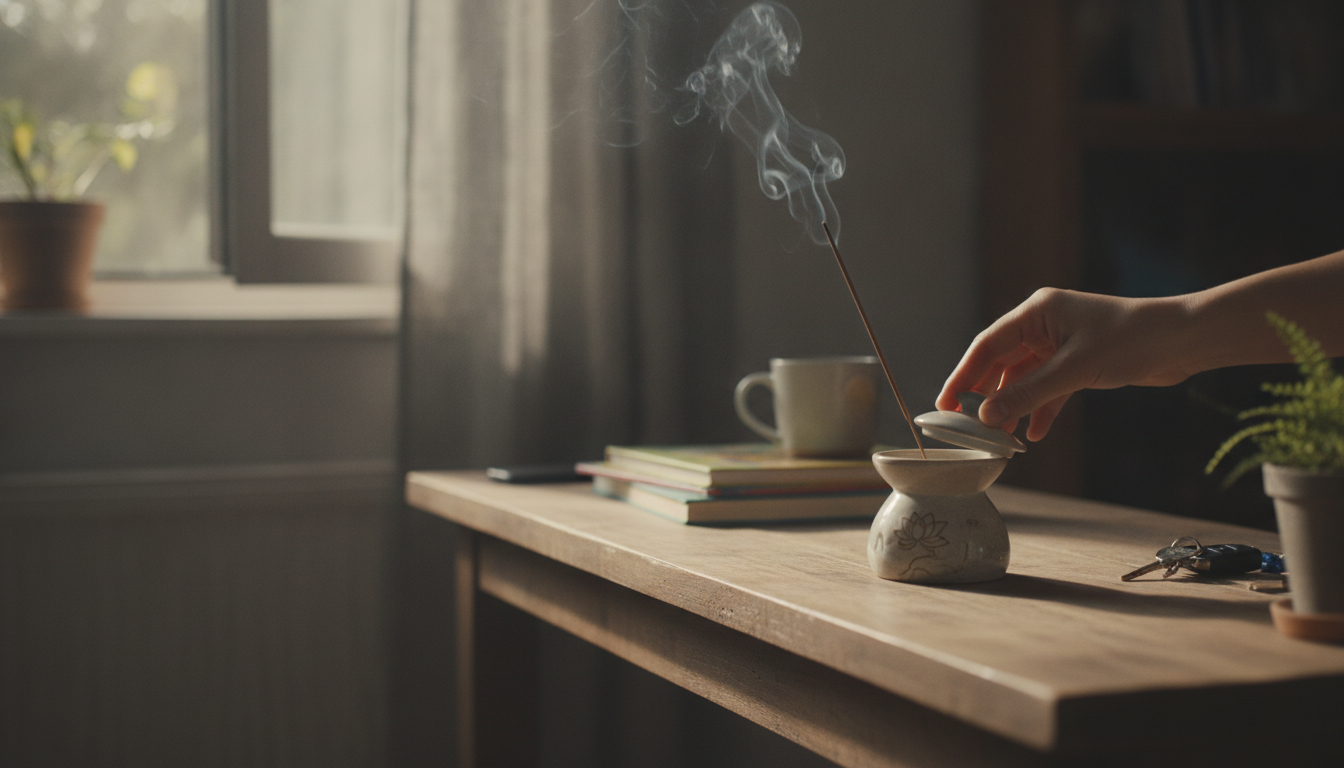
Choose incense from reputable makers that clearly list materials (ideally natural wood powder/resin and minimal additives). Burn one stick or cone at a time, keep a window cracked or run a fan for airflow, and limit burn time—especially in small rooms. Use a heat-safe holder on a stable, non-flammable surface, keep it away from curtains and paper, and never leave it unattended. Keep children and pets away from the ember and ash, and stop using it if it causes throat, eye, or lung irritation.
Who should be extra cautious?
People with respiratory conditions, fragrance sensitivity, or anyone recovering from an illness that affects breathing may want to avoid incense smoke entirely. If symptoms show up quickly (wheezing, chest tightness, dizziness), switch to a smoke-free option like an essential-oil diffuser used sparingly, or simply discontinue scented products.
Where to get more detailed guidance
For a deeper look at ingredients, ventilation, and practical safety tips, read the full guide here: https://ellixuro.com/is-burning-sandalwood-incense-safe/.
For Is Sandalwood Incense Safe? Smoke, Ventilation & Tips, the best answer depends on fit, material, care instructions, and how the product will be used day to day.
FAQ
Can burning incense affect indoor air quality?
Yes. Incense smoke releases fine particles and fragrance compounds that can linger, especially in tight spaces; improving ventilation and reducing frequency helps minimize buildup.
Recommended for you












Leave a comment