Is vintage leather good quality?
Vintage leather can be excellent quality, but it depends less on age and more on what it’s made from, how it was tanned, and how it has been cared for. Many older leather goods were produced from thicker, full-grain hides and built with repairable construction, which helps them last for decades. That said, “vintage” doesn’t automatically mean durable—poor storage, heavy wear, or lower-grade splits can turn an older item into something fragile.
What makes vintage leather “good”
The best vintage pieces typically use full-grain leather, meaning the strongest outer layer of the hide is intact. Full-grain develops a rich patina (a gradual change in color and sheen) and often resists tearing better than corrected-grain or bonded leather. You’ll also see sturdier stitching, solid hardware, and construction methods that can be reconditioned or repaired rather than replaced.
How to tell if a vintage leather item is worth it
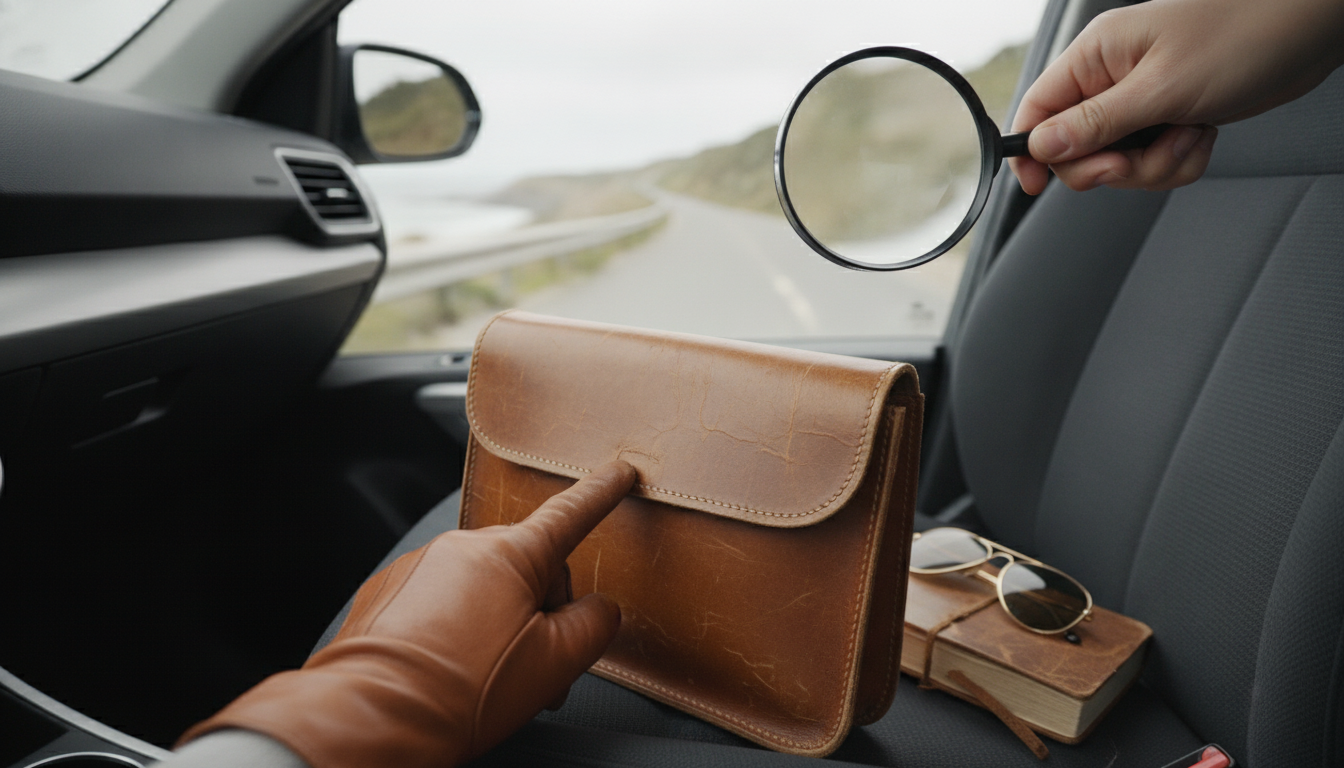
Start with touch and structure. Good leather usually feels dense and substantial, not papery or plasticky. Look for fine creasing rather than cracking, especially at stress points like handles, corners, and strap holes. Check the seams: tight, even stitching and intact thread are strong signs. Hardware should feel solid and operate smoothly, and linings shouldn’t be crumbling or shedding.
Common issues with older leather
Even high-quality leather can suffer if it dried out for years. Flaking, deep cracks, or a stiff “board-like” feel can indicate damage that conditioning won’t fully reverse. Musty odors may point to mildew, and sticky surfaces can signal deteriorating finishes. If a bag or jacket has dark, brittle areas that tear easily, it may be past its prime regardless of brand or style.
Making vintage leather last longer
With a good piece, gentle cleaning and occasional conditioning can restore suppleness and slow future drying. Store leather away from heat and direct sun, keep it dry, and avoid sealing it in plastic where trapped moisture can cause mold.
For a deeper breakdown of leather types, aging, and what to look for when shopping secondhand, visit the full guide on vintage leather quality.
FAQ
How can you tell if leather is full-grain or bonded?
Full-grain usually has natural pores and unique markings, feels dense, and ages with a gradual patina. Bonded leather often feels more uniform and “coated,” and may peel or flake as the surface layer breaks down.
Recommended for you








Leave a comment