What IP rating should an outdoor LED wall light have for rain and snow?
For most homes, an outdoor LED wall light should be rated at least IP44 to handle rain and wind-driven splashes. If the fixture is more exposed—such as on a fence post, an uncovered exterior wall, or a coastal/windy area—IP65 is a safer choice because it offers stronger protection against water jets and airborne debris. In areas with heavy snowfall or frequent freezing rain, IP65 (or higher) helps keep moisture from forcing its way past seals during rapid temperature swings.
How to choose the right IP rating by location
Covered porch or sheltered entry
If your wall light sits under a roofline or deep overhang where it won’t take direct rainfall, IP44 is typically sufficient. It protects against splashing water and helps prevent ingress from drifting precipitation.
Uncovered exterior walls and side doors
For fixtures exposed to direct rain, melting snow, and wind, IP65 is recommended. It’s designed to resist water projected from a nozzle, which is a good stand-in for harsh, wind-driven storms.
Near sprinklers, driveways, or areas that get hosed down
Choose IP65 as a minimum. Repeated spray at close range is tougher on gaskets than occasional rainfall, and a higher rating reduces the chance of water intrusion over time.
Why snow and freezing conditions raise the bar
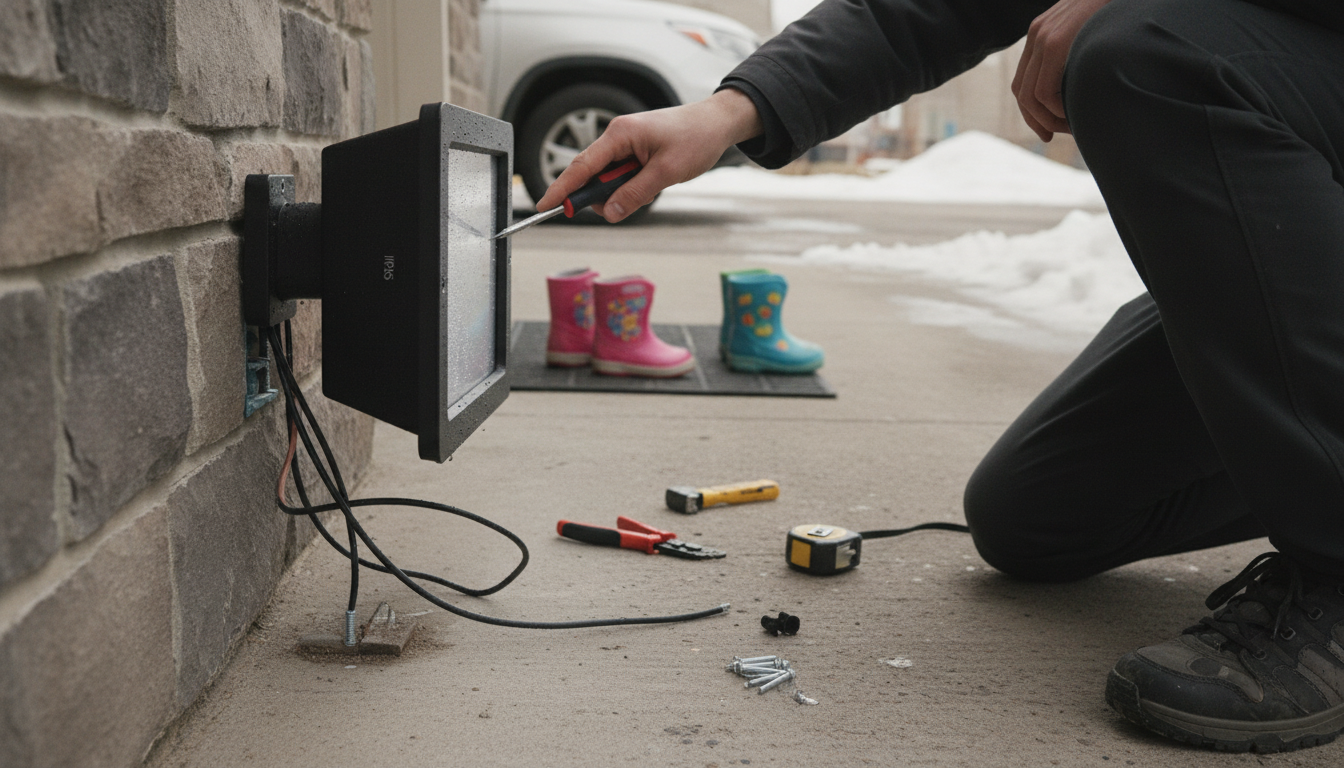
Snow itself isn’t usually the problem—it’s meltwater. During freeze/thaw cycles, water can seep into small gaps and then expand as it freezes, stressing seals and lenses. A higher IP rating paired with quality gaskets and proper installation (tight mounting, intact cable glands, and sealed junctions) helps the fixture stay dry season after season.
Get the full breakdown
For a deeper guide to IP ratings and how to match them to real-world outdoor conditions, see the main article: https://ellixuro.com/what-ip-rating-should-an-outdoor-led-wall-light-have-for-rain-and-snow/.
FAQ
Is IP65 overkill for outdoor wall lights?
No—IP65 is a practical upgrade for exposed locations, windy weather, coastal air, or anywhere the fixture may get frequent spray. It can also reduce maintenance issues caused by moisture over time.
Recommended for you










Leave a comment