What is the best material for warm winter socks?
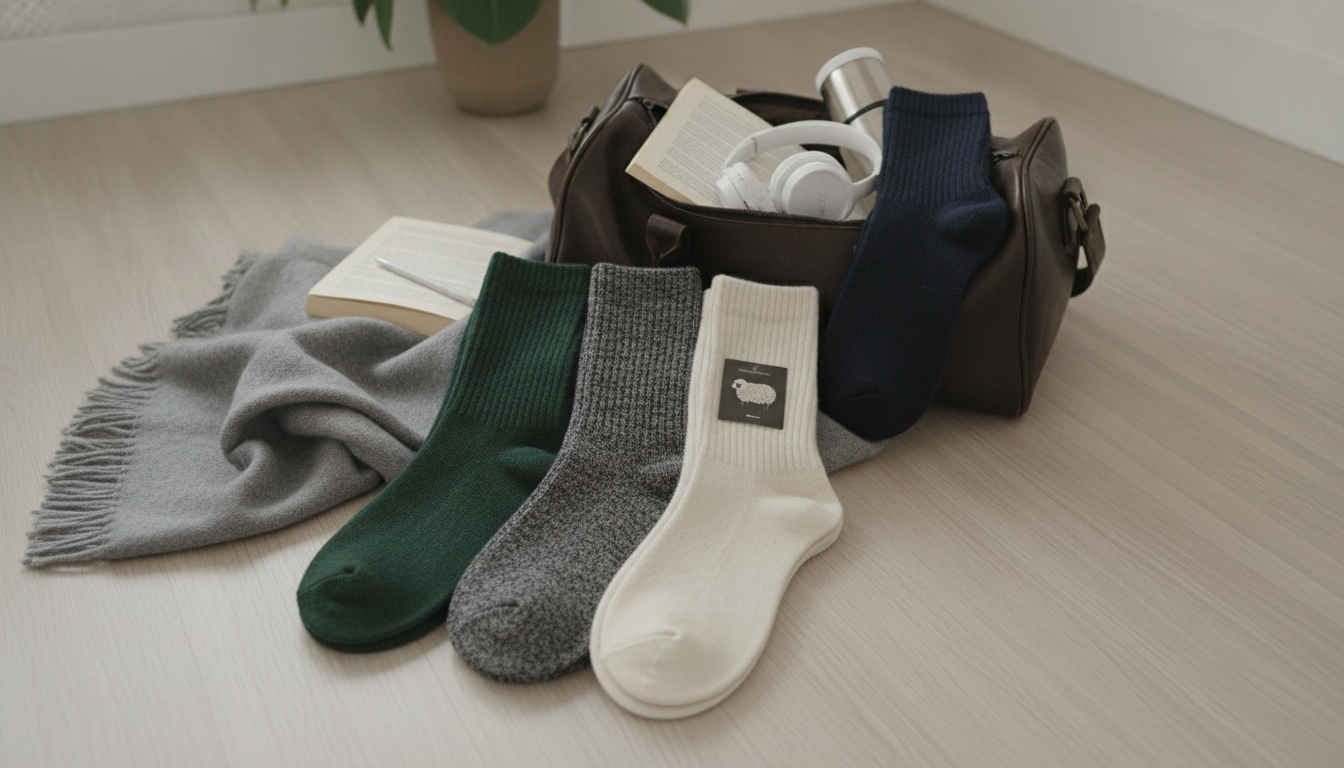
The best material for warm winter socks is merino wool. It delivers reliable insulation while still managing moisture, which helps feet feel warm instead of clammy. Merino’s fine fibers are also softer than traditional wool, so it’s less likely to itch and more comfortable for all-day wear.
Why merino wool stands out for winter warmth
Warmth isn’t only about thickness—it’s about trapping heat while keeping skin dry. Merino wool naturally regulates temperature by holding warm air close to the foot, and it can absorb moisture vapor without feeling wet. That balance is key in cold weather, because damp socks often lead to chilled toes.
When other materials can be a better fit
Merino is the go-to, but the “best” choice can shift based on how you’ll wear your socks:
Wool blends (merino + nylon/spandex): A top pick for most people. The wool provides warmth, while synthetics add durability, stretch, and faster drying. If socks wear out quickly at the heel or toe, a blend is usually the smarter buy.
Alpaca wool: Often warmer for the weight and naturally soft. It’s a great option for extra-cold conditions, though it may be less common and sometimes benefits from blending for strength.
Synthetic performance fibers: Useful for high-sweat activities or when you need quick drying. They can feel less cozy than wool at rest, but they’re practical for active winter days.
Cotton: Generally not ideal for winter warmth. It holds moisture and can cool your feet quickly, especially outdoors.
What to look for beyond material
For truly warm winter socks, pair the right fiber with the right build: a midweight-to-heavyweight knit for insulation, a snug (not tight) fit to avoid constricting circulation, and cushioning underfoot for comfort and heat retention. If you need a deeper breakdown of winter-ready options, visit the main guide on warm winter sock materials.
FAQ
How should winter socks fit for maximum warmth?
They should fit snugly without squeezing. Socks that are too tight can reduce circulation, while socks that are too loose allow cold air pockets and friction that can cause blisters.
Recommended for you










Leave a comment