What materials are best for a shatter-proof training cup (silicone, Tritan, stainless steel)?
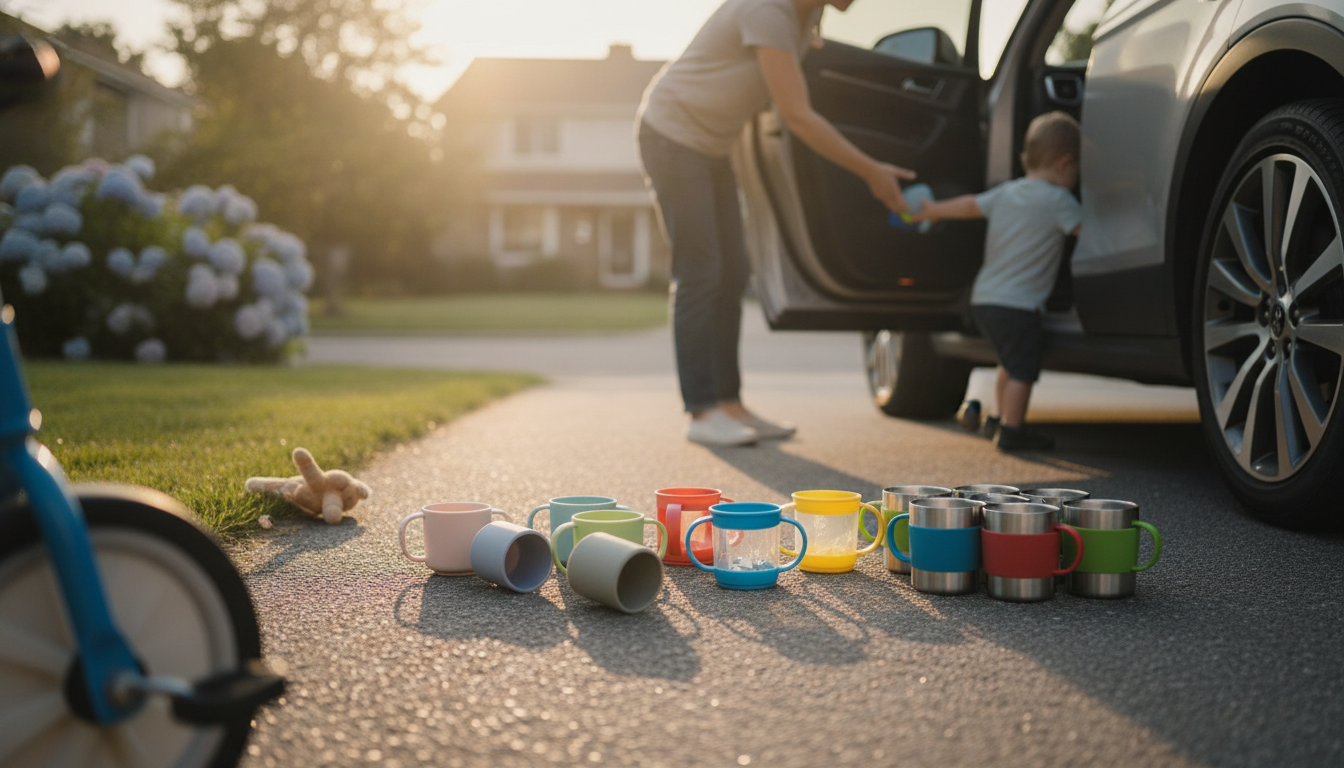
The best material for a shatter-proof training cup depends on how it’ll be used day to day: silicone for soft, quiet drops and gentle gums; Tritan for a clear, lightweight “bottle-like” cup that resists cracking; and stainless steel for maximum durability and temperature control. All three can be excellent options when they’re food-grade and paired with a well-designed lid and spout.
Silicone: soft, grippy, and forgiving
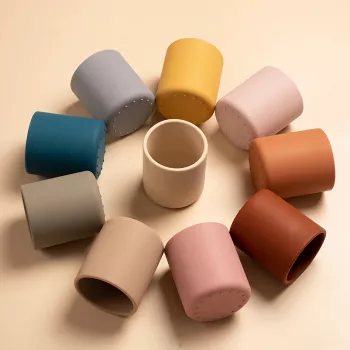
Food-grade silicone is naturally shatter-proof because it flexes instead of cracking. It’s a great pick for early training stages when cups get thrown, chewed, or dropped constantly. Silicone also tends to be quieter when it hits hard floors and is comfortable for teething toddlers. Look for thicker, high-quality silicone to reduce odors and staining, and check that it’s dishwasher-safe if that matters for your routine.
Tritan: lightweight clarity with strong impact resistance
Tritan is a BPA-free plastic known for being tough and clear, so caregivers can see fill levels quickly. It’s typically more rigid than silicone, which some kids prefer when learning to tip and sip. While it’s highly impact-resistant, it can still scratch over time, especially if used with abrasive cleaners. A solid choice when you want a light cup that holds up well to everyday drops.
Stainless steel: toughest option with temperature benefits
Stainless steel is the most rugged choice for long-term use, and it can help keep drinks cooler (or warmer) longer—especially in insulated designs. It won’t shatter, and it resists staining and absorbing odors. The tradeoffs: it’s not transparent, and insulated versions can be heavier. For durability-focused families or frequent travel, stainless steel often wins.
Quick picking guide
If comfort and flexibility matter most, choose silicone. If you want a light, clear cup with strong durability, choose Tritan. If you want maximum toughness and better temperature retention, choose stainless steel. For a deeper breakdown and buying tips, visit the full guide on shatter-proof training cup materials.
FAQ
How do I choose the right spout or straw for a training cup?
Pick a soft spout for beginners and teething comfort, then consider a straw when a child is ready for more controlled sipping. Prioritize leak resistance, easy cleaning (few parts), and a flow rate that doesn’t force a child to suck too hard.
Recommended for you








Leave a comment