What type of battery is best for off-grid?
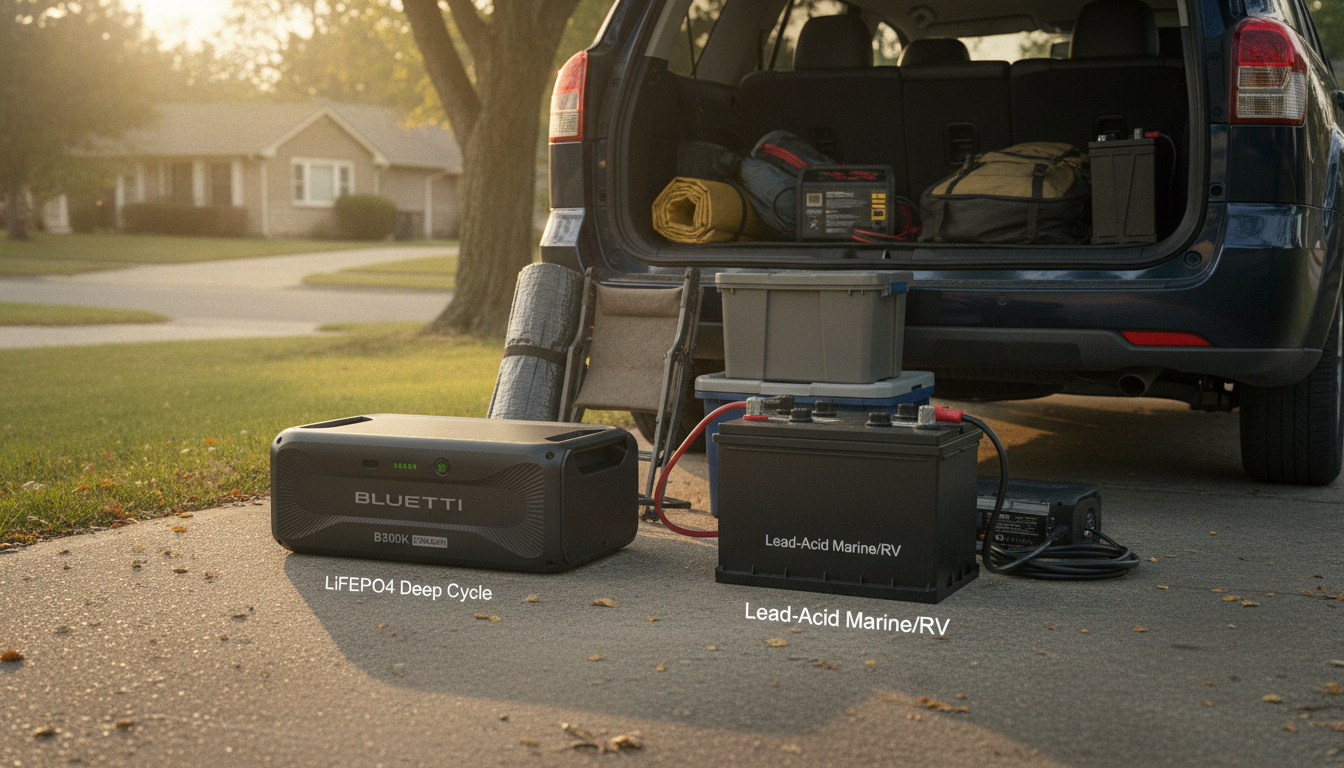
For most off-grid power setups today, a lithium iron phosphate (LiFePO4) battery is the best all-around choice. It delivers long cycle life, strong usable capacity, and reliable performance for everyday loads like refrigeration, lighting, communications, and small appliances—without the maintenance burden common to older battery types.
Why LiFePO4 is usually the top pick
LiFePO4 batteries are designed to handle frequent charging and discharging over many years. They also provide steady voltage, which helps inverters and sensitive electronics run more smoothly. Because you can typically use a larger portion of the battery’s rated capacity compared with lead-acid, an off-grid system can achieve more real-world runtime from a similar “nameplate” size.
How it compares to lead-acid (AGM, gel, flooded)
Lead-acid batteries can cost less upfront, but they generally weigh more, provide fewer deep cycles, and deliver less usable energy if you want good longevity. Flooded lead-acid also requires ventilation and periodic maintenance, while AGM and gel reduce upkeep but still lag behind LiFePO4 on cycle life and depth-of-discharge.
When lead-acid can still make sense
Lead-acid may be a practical option for short-term or occasional use, backup-only systems, or tight budgets where weight and replacement frequency aren’t major concerns. In cold-weather locations without battery heating, some users also consider lead-acid because lithium charging can be limited below freezing unless the system includes temperature protections.
What to look for in an off-grid battery
Prioritize cycle life, usable capacity, integrated safety protections (like a quality BMS for lithium), charging compatibility with your inverter/charger or solar controller, and expansion options. If you’re powering an off-grid cabin or pairing storage with a power station, runtime planning matters—capacity (Wh), typical loads (W), and real discharge rates all affect how long you can operate between charges.
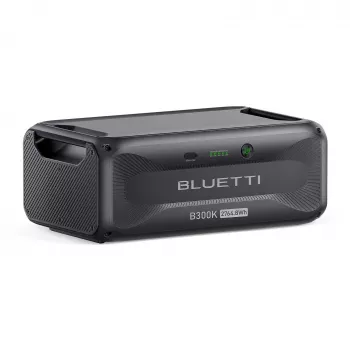
For a practical walkthrough of capacity and runtime planning with a high-capacity LiFePO4 expansion battery, see this guide on a 2764Wh LiFePO4 expansion battery and power station runtime.
FAQ
How do you size a battery bank for off-grid living?
Add up your daily energy use in watt-hours, then choose a battery capacity that covers that need with a buffer for cloudy days or generator-free stretches; many off-grid systems target 1–3 days of autonomy. Also factor in usable capacity (depth of discharge) and inverter losses so the bank isn’t undersized in real operation.
Recommended for you










Leave a comment