How to talk when kids won’t listen: what age range does it work for?
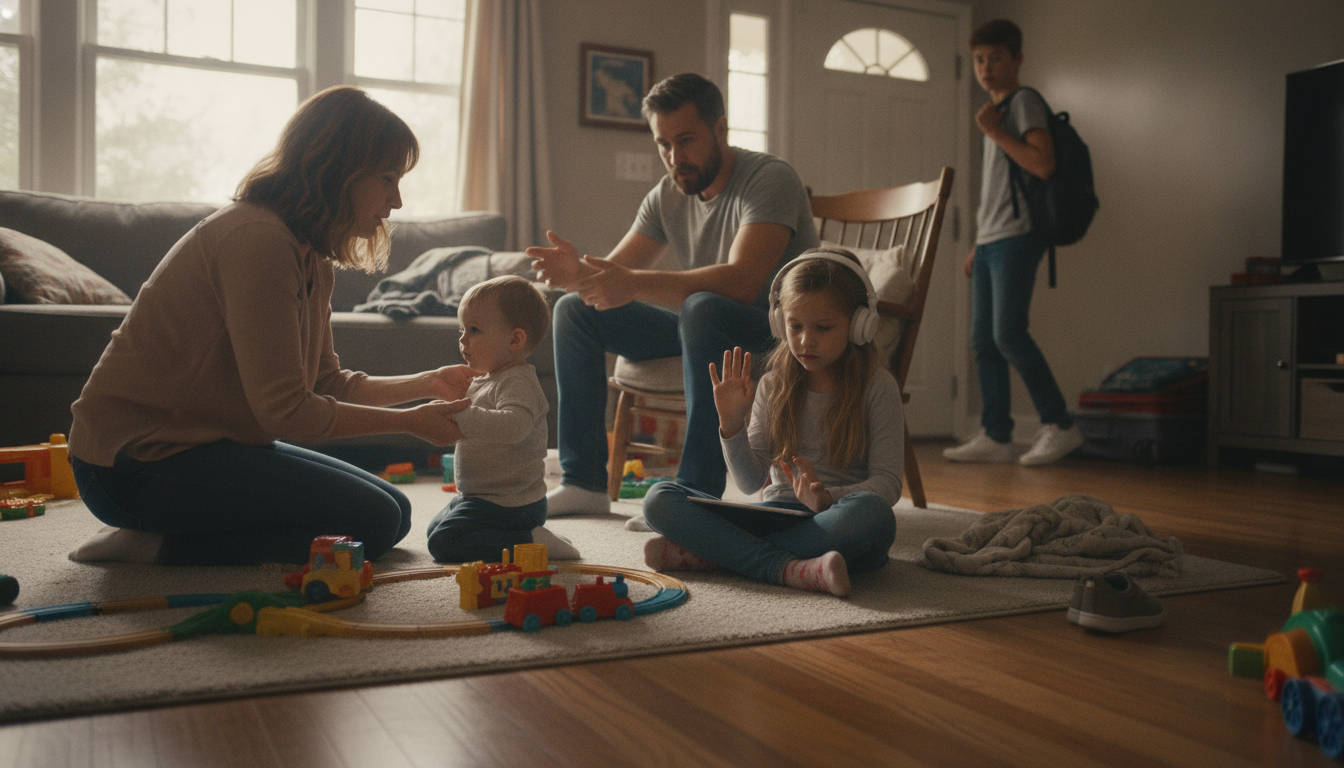
“How to Talk So Kids Will Listen”–style communication works across a wide age range, but the way you use it should change as your child grows. The core idea stays the same: connect first, then guide. Toddlers need fewer words and more structure, while older kids need more collaboration and respect for autonomy. For a deeper breakdown by age and practical examples, visit this age-range guide.
What to say and do by age
Ages 2–4 (toddlers and preschoolers)
Keep language short and concrete, then pair it with action. Get close, touch gently, and say what you want in one sentence: “Shoes on.” Validate feelings without negotiating the limit: “You’re mad. It’s still time to leave.” Offer two acceptable choices to reduce power struggles: “Do you want the red shoes or the blue shoes?”
Ages 5–7 (early elementary)
Kids can handle brief reasons and simple problem-solving. Try describing what you see instead of accusing: “I see toys on the floor.” Then set a clear next step: “Toys go in the bin before dinner.” Use playful cooperation when appropriate (“Race you to the laundry basket”) and follow through with calm, predictable consequences when needed.
Ages 8–12 (late elementary and preteens)
Shift toward collaboration and skill-building. Ask questions that invite ownership: “What’s your plan to get homework done before screen time?” Reflect their perspective first (“You want a break”) and then state your boundary (“Screens after homework”). When conflict repeats, schedule a short problem-solving talk later, when everyone is calm.
Ages 13+ (teens)
Respect, privacy, and autonomy matter most. Lead with curiosity: “Help me understand what happened.” Use fewer lectures and more listening, then negotiate agreements with clear non-negotiables (safety, legality, family values). Focus on the relationship: teens cooperate more when they feel heard and not controlled.
Quick resets when nobody is listening
Lower your voice, move closer, and pause before repeating yourself. Name the feeling, state the limit, and give one next step. If emotions are high, take a break: “We’ll talk in 10 minutes,” then return and follow through.
FAQ
How do I stop repeating myself without yelling?
Say it once, then act: move closer, point, and guide the first step (“Hand me the tablet now”). If it still doesn’t happen, follow a pre-stated consequence calmly and consistently, so your child learns you mean what you say.
Recommended for you












Leave a comment