Is RCA output outdated?
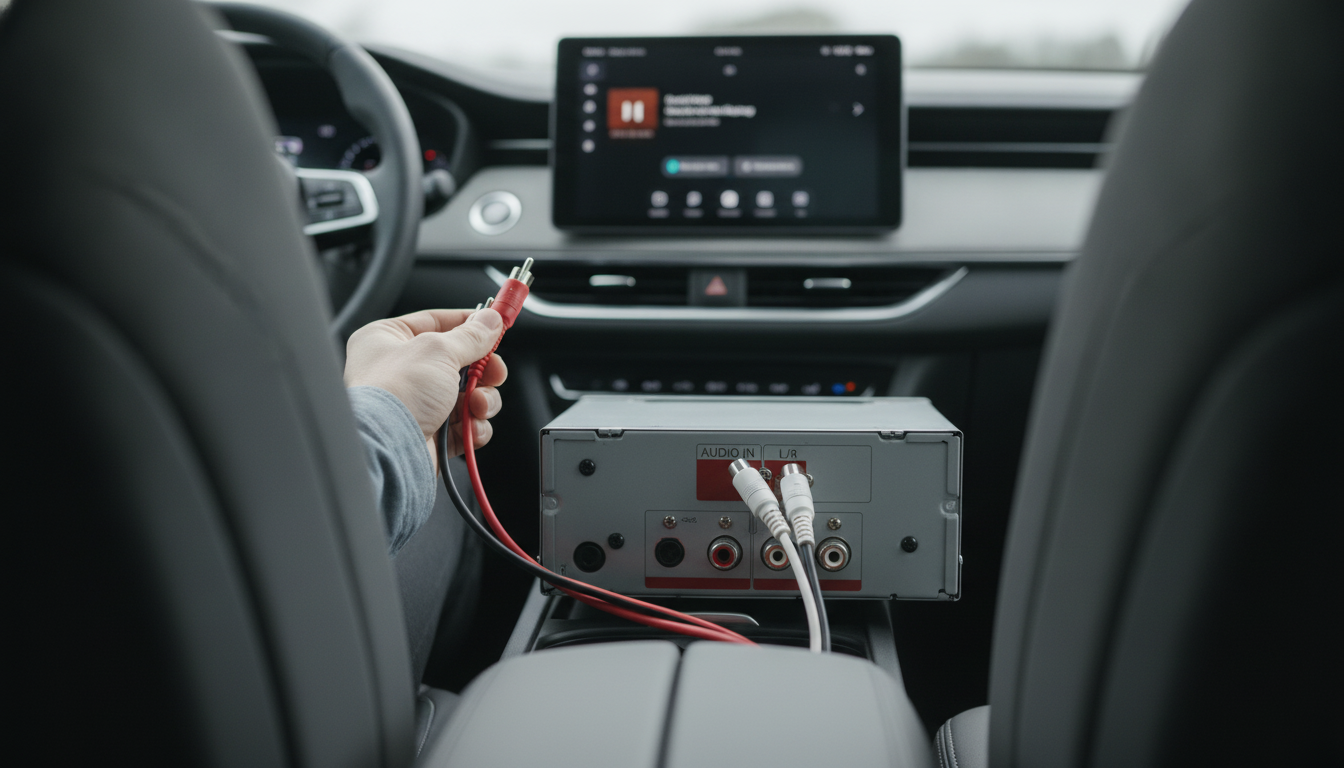
RCA output isn’t outdated—it’s simply an older analog connection that’s still widely supported. Even with modern options like Bluetooth, HDMI, and optical audio, RCA remains a practical, low-cost way to send stereo sound to powered speakers, stereos, receivers, and many sound systems that don’t include newer inputs.
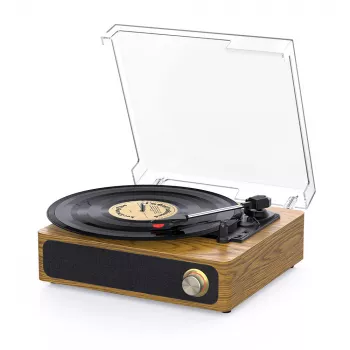
RCA’s biggest strength is compatibility. A lot of audio gear made over the last several decades includes red/white RCA inputs, and many turntables and record players still provide RCA output because it works reliably for analog playback. For vinyl setups especially, RCA is often the most straightforward “plug it in and it plays” option.
Where RCA can feel dated
RCA can seem old-fashioned because it’s analog, unbalanced, and typically limited to stereo. It’s more susceptible to noise over long cable runs compared to balanced connections, and it doesn’t carry digital surround formats the way HDMI can. Also, RCA connectors don’t lock in place, so they’re not ideal for frequent plugging/unplugging or mobile use.
Why it still makes sense for record players and everyday audio
For a turntable or record player, the signal path is often analog anyway, so RCA is a natural fit. If the unit has a built-in preamp/line output, you can connect directly to powered speakers or an amp/receiver line input. If it has a phono-level output, you’ll need a phono preamp (or a receiver’s PHONO input) before connecting to standard RCA line inputs.
If you’re deciding between Bluetooth and RCA, RCA usually delivers more consistent performance—no pairing, no wireless dropouts, and no compression artifacts introduced by Bluetooth codecs. Bluetooth can be convenient, but RCA is still the “set it and forget it” choice for many home systems.
For a step-by-step look at connecting a record player using RCA (plus options like AUX, USB, and Bluetooth), see this record player setup guide.
FAQ
What’s the difference between RCA line out and phono out?
Line out is already amplified to a standard level for speakers or an amplifier, while phono out is a much quieter signal that needs a phono preamp (and EQ) before it can play at normal volume.
Recommended for you











Leave a comment