Do LED lights work outside in the cold?
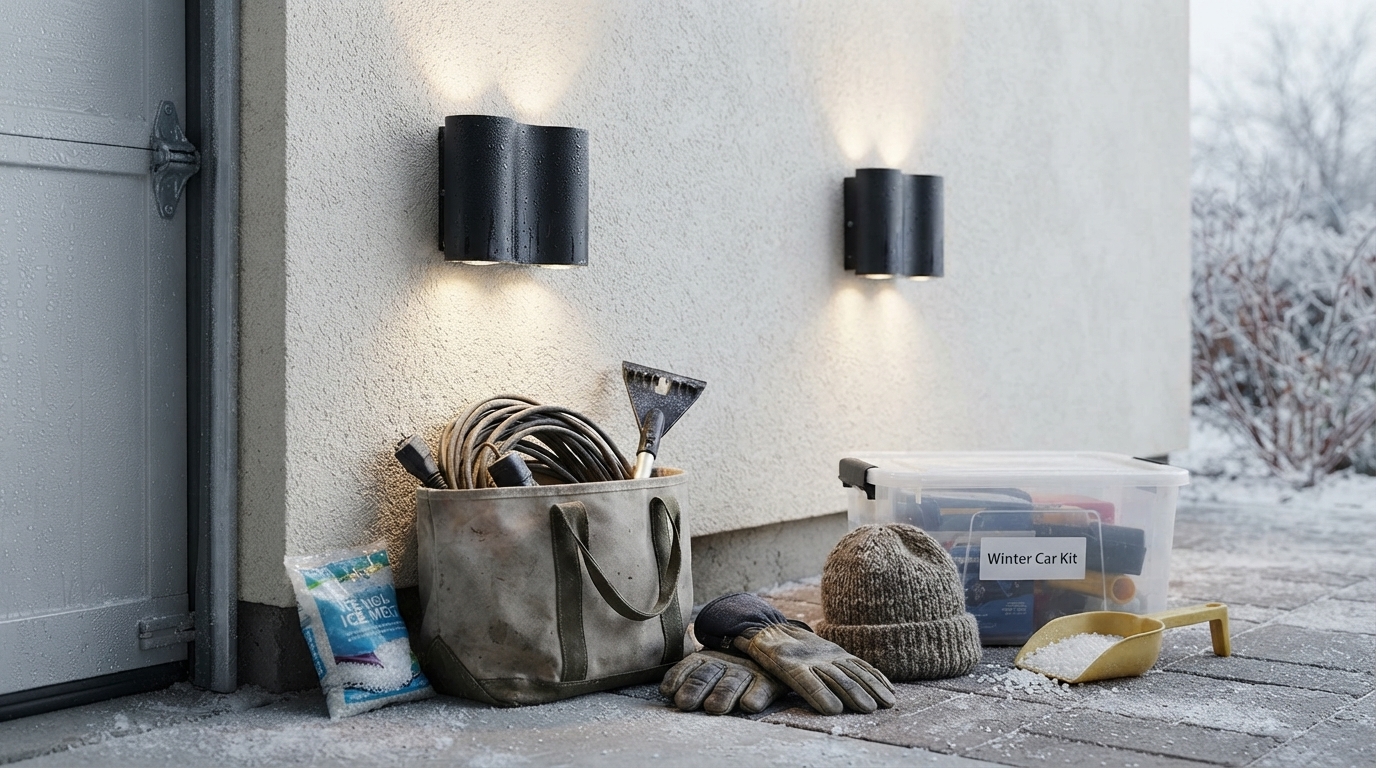
Yes. LED lights generally work very well outdoors in cold weather, and low temperatures can actually help them run more efficiently than heat. Unlike older bulbs that rely on heating a filament, LEDs produce light through a semiconductor, so they don’t struggle to “warm up” to operate.
Why cold weather is usually fine for LEDs
Cold temperatures reduce thermal stress on LED components, which can support stable performance and long life. You may even notice LEDs look slightly brighter in chilly conditions because excess heat is one of the main enemies of LED efficiency.
What can cause problems in freezing conditions
The bigger risk outdoors isn’t the cold itself—it’s moisture and exposure. Snow, ice, wind-driven rain, and freeze/thaw cycles can work their way into poorly sealed fixtures, leading to corrosion or electrical issues. That’s why a weather-rated fixture and proper installation matter more than the temperature on the thermometer.
Check these specs before installing outdoor LEDs
- Wet or damp rating: Use wet-rated fixtures for fully exposed locations and damp-rated for covered areas.
- Operating temperature range: Many outdoor LED drivers are rated well below freezing; verify the product’s minimum temperature.
- Quality driver design: The LED driver (power supply) is often the most sensitive component in extreme weather.
- Sealing and gasketing: Look for tight lens seals and durable gaskets to keep water out.
Placement still matters in winter
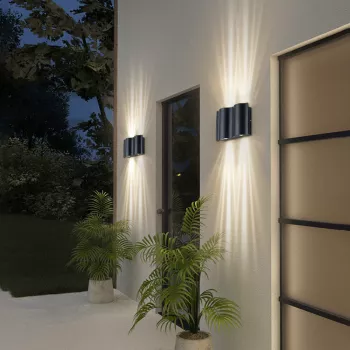
Even with cold-tolerant lighting, smart placement helps prevent glare on reflective snow and reduces exposure to drifting precipitation. For practical guidance on positioning, brightness, and choosing the right style for exterior walls, see this guide to modern LED outdoor wall lights placement and brightness.
For Do LED Lights Work in Cold Weather Outdoors?, the best answer depends on fit, material, care instructions, and how the product will be used day to day.
FAQ
What IP rating is best for outdoor LED wall lights?
For fully exposed walls, an IP65-rated fixture is a solid baseline because it resists dust and water jets. For covered porches or soffits, lower ratings may work, but the location’s exposure should drive the choice.
Recommended for you










Leave a comment