Do orthopedic back stretchers work?
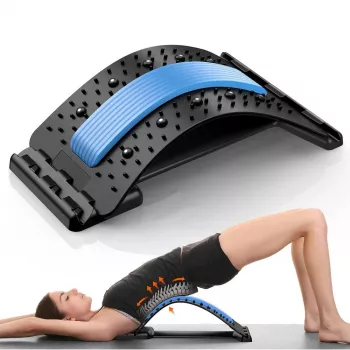
Orthopedic back stretchers can work for some people, especially when the goal is gentle spinal decompression, improved posture awareness, and short-term relief from tight muscles. These devices typically use a curved platform (often with ridges or acupressure-style bumps) to encourage extension through the thoracic and lumbar spine. When used consistently and correctly, many users notice reduced stiffness and an easier time standing or sitting upright.
That said, results vary. A back stretcher is not a cure for every type of back pain, and it won’t “fix” structural problems like severe disc herniations, fractures, or advanced spinal stenosis. It’s best viewed as a supportive tool—most effective when paired with movement habits that address the root cause, such as hip mobility work, core stability, and better desk ergonomics.
What benefits are realistic?
The most realistic benefits include a temporary decrease in muscle tension, a mild traction-like sensation, and improved comfort after long periods of sitting. Some people also find that the pressure points help them relax and breathe more deeply, which can reduce guarding in the back muscles. For posture, the device can help “remind” the spine what extension feels like, particularly in the mid-back.
When can a back stretcher make things worse?
If pain is sharp, radiating down the leg, associated with numbness/tingling, or worsens with extension, a back stretcher may aggravate symptoms. Overdoing time on the device, using too aggressive a height setting, or placing it in the wrong position (too low/high) can also flare up sensitive joints and irritated tissues. Start with short sessions and stop if symptoms intensify rather than ease within a reasonable period.
How to use one safely
Begin on the lowest arch setting for 1–3 minutes, focusing on relaxed breathing rather than forcing a deeper stretch. Keep the device on a stable surface, position it to target the tight area (often the mid-back rather than directly on the low-back hinge point), and gradually build up only if it feels beneficial. For a deeper breakdown of effectiveness, pros/cons, and practical tips, see the full guide here: https://ellixuro.com/do-orthopedic-back-stretchers-work/.
FAQ
How long should you use a back stretcher each day?
Many people do well with 1–2 short sessions daily, starting around 1–3 minutes and increasing gradually if it stays comfortable. More time isn’t always better—stop if discomfort lingers or symptoms spread.
Recommended for you









Leave a comment