Whole-Body Vibration Training: What It Is and Why It’s Popular at Home
A vibration plate can turn short sessions into full-body stimulation by combining rhythmic vibration with optional massage modes. With 99 speed levels, it’s possible to fine-tune intensity for warm-ups, low-impact movement, and higher-effort intervals—useful for supporting calorie burn when paired with consistent training and nutrition. For a practical overview of how vibration therapy is discussed in mainstream health resources, see the National Center for Complementary and Integrative Health (NCCIH) and this perspective from Harvard Health Publishing.
What a Vibration Plate Actually Does
Whole-body vibration training uses rapid platform oscillations to prompt repeated muscle contractions and constant postural “micro-adjustments.” In plain terms: your muscles work to keep you steady, even during simple positions.
- Repeated contractions and balance work: The vibration encourages muscle activation through the legs, core, and stabilizers while you stand, hold, or move.
- Low-impact movement options: Many people use it for basic holds (like a mini-squat) or simple moves (like calf raises) when jumping or running doesn’t feel great on the joints.
- Massage modes are comfort-focused: Massage settings generally emphasize relaxing stimulation and a circulation-style feel rather than heavy strength loading.
- Best results come from “stacking” habits: Vibration sessions work best when paired with walking, resistance training, and a calorie-controlled diet.
Research varies by protocol and population; if you like scanning study summaries, you can explore the broader landscape via PubMed search results on whole-body vibration exercise.
Why 99 Speed Levels Matter for Training
More speed levels doesn’t just mean “more intense.” It often means better control over progression—especially for beginners who want smaller, safer jumps between settings.
- Low speeds (beginner-friendly): Helpful for learning balance, posture, and correct knee/hip alignment without feeling overwhelmed.
- Mid speeds (steady sessions): Commonly used for mobility flows, light conditioning, and longer sets where you prioritize comfort and consistency.
- Higher speeds (interval style): Best reserved for short bursts once you can stay stable, keep your knees soft, and maintain an upright torso.
- Gradual progression: More steps between levels makes it easier to progress without overdoing it and getting sore, shaky, or sloppy with form.
Sample Speed Ranges by Goal (Adjust to Comfort and Stability)
| Goal |
Suggested speed range |
Session length |
Notes |
| Warm-up & mobility |
Level 1–20 |
5–8 min |
Soft knees, tall posture; add ankle/hip mobility |
| Low-impact conditioning |
Level 21–50 |
8–12 min |
March-in-place, calf raises, gentle squats |
| Intervals for higher effort |
Level 51–80 |
6–10 min |
30–45 sec work / 30–60 sec easy; prioritize control |
| Cool-down / massage |
Level 1–15 |
3–6 min |
Relaxed stance; avoid locking knees |
Practical Routines That Fit a Busy Schedule
The easiest way to stay consistent is to make sessions short enough that they’re hard to skip. Think in “minimum effective dose” blocks, then build gradually.
10-Minute Starter Routine
- 2 minutes warm-up: Low speed, tall posture, gentle weight shifts side-to-side.
- 6 minutes mixed moves: Alternate 45–60 seconds each: mini-squat hold, calf raises, march-in-place, and a light hip hinge (hands on thighs for support if needed).
- 2 minutes cool-down: Lower speed, relaxed stance, slow breathing.
Beginner Move Set (Simple but Effective)
- Mini-squat holds: Knees track over toes; keep your chest lifted.
- Calf raises: Controlled up-and-down; pause briefly at the top.
- Glute bridge (if safe/comfortable): Some users place feet on the platform while shoulders remain on a mat; keep intensity low and stop if it feels unstable.
- Plank with hands on the platform (low speed): Keep ribs down and avoid shrugging into your shoulders.
Fat-Burning Approach (Intervals + Recovery)
For calorie-focused sessions, use short, challenging-but-stable bursts followed by easier recovery. Example: 6–10 rounds of 30 seconds at a higher level (only if you stay controlled) and 30–60 seconds at a lower level. You’re aiming for steady effort, not losing posture.
Safety and Form Cues for Better Results
What to Look for Before Buying
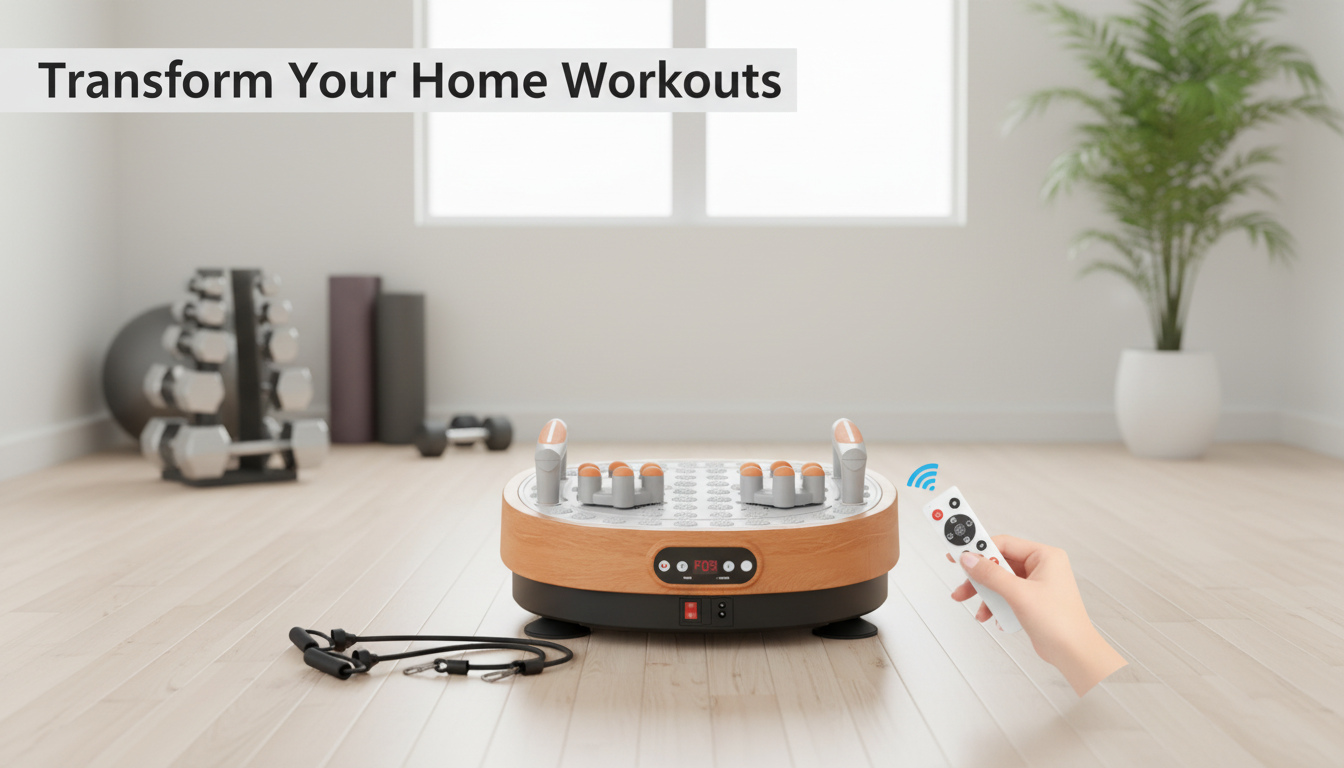
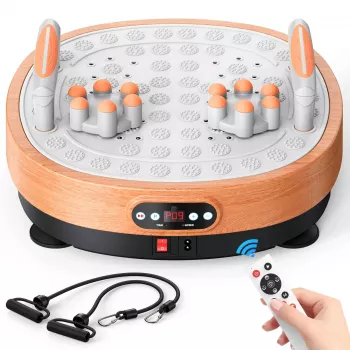
Product Spotlight: Whole Body Vibration Plate with Massage & 99 Speed Levels
If you want a single device that covers warm-ups, conditioning, and recovery-style sessions, the Whole Body Vibration Plate with Massage & 99 Speed Levels for Fat Burning is built for adjustable intensity with plenty of room to progress gradually. The massage functionality is a natural fit for cool-downs and “easy day” sessions when you’re focusing on comfort, circulation-style stimulation, and consistency.
Optional Add-Ons for Comfort and Routine Building
After-Session Recovery Tips
FAQ
How often should a vibration plate be used for fat burning?
Most people do well with 3–5 days per week for 10–20 minutes, starting at lower speeds and building up as balance and tolerance improve. For meaningful fat loss, pair sessions with regular daily movement, strength training, and a calorie-controlled diet.
Which speed level is best for beginners?
A common starting range is Level 1–20, focusing on soft knees, tall posture, and stable footing. If you can’t stay controlled or you notice tingling/numbness, drop the speed or stop and restart at a gentler level next time.
Can vibration plates help tone legs and glutes?
They can increase muscle activation during holds and simple movements like mini-squats and calf raises. Visible “toning” still depends on consistent resistance training, overall activity, and nutrition habits over time.
Recommended for you








Leave a comment