How to build a cat tree from branches
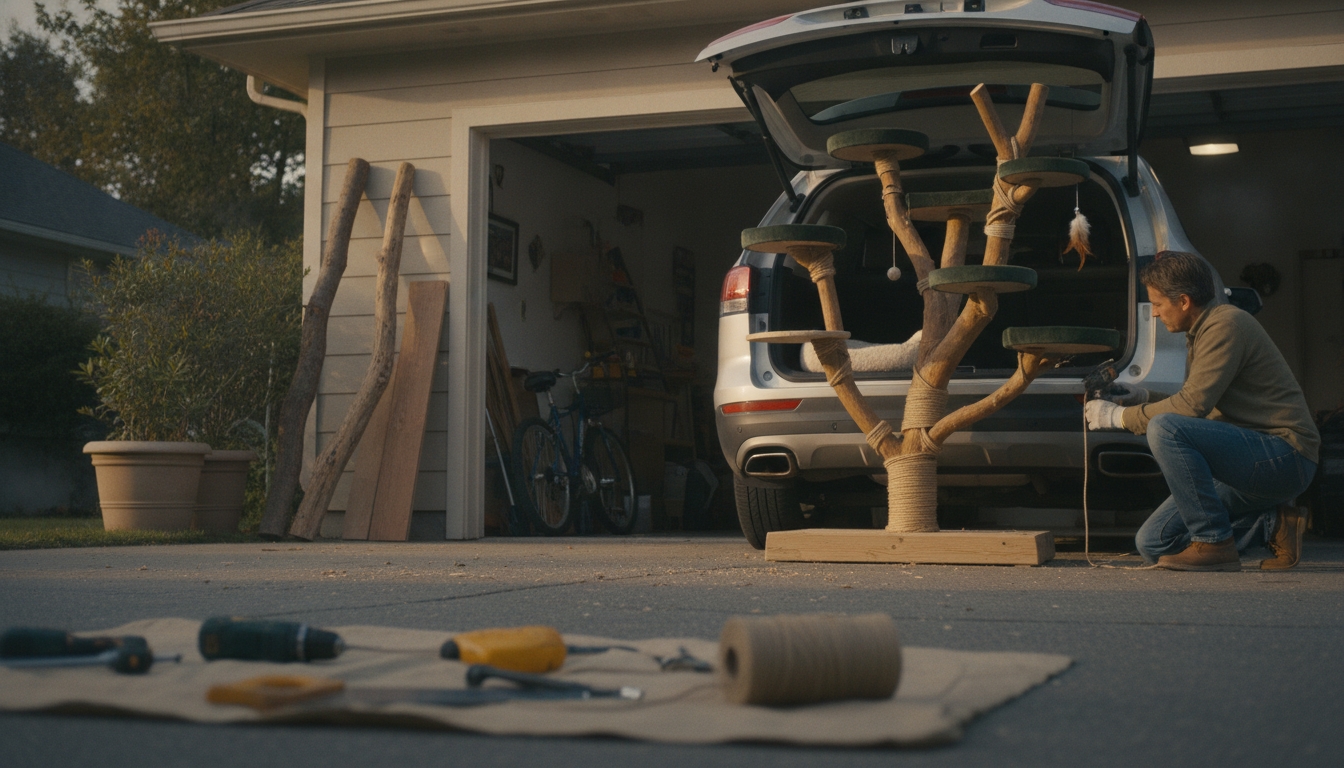
A branch-built cat tree can look like a piece of natural décor while still giving cats the height, scratching, and lounging spots they crave. The key is making it stable, sealed, and easy to climb—especially if you’re building for a bigger or more athletic cat.
1) Choose safe, sturdy branches
Pick hardwood branches (like oak or maple) that feel solid with no soft spots, rot, heavy sap, or flaky bark. Aim for one thick “trunk” branch (about 4–6 inches in diameter) plus a few smaller limbs for platforms and steps. Avoid branches treated with chemicals or collected near heavy road runoff.
2) Clean, dry, and seal the wood
Scrub off dirt and loose bark, then let the branches fully dry to reduce cracking and pests. Lightly sand splinters and sharp edges. Finish with a pet-safe, low-VOC sealant so claws don’t lift fibers and the surface stays easier to wipe clean.
3) Build a base that won’t tip
Use a wide plywood base (at least 24–30 inches square for a tall build) and add weight underneath if needed. Anchor the main branch with carriage bolts and large washers, not just screws. If the tree is tall, add a wall anchor strap for extra safety.
4) Add platforms, perches, and a cozy zone
Cut platform shelves from thick plywood and mount them to branches using bolts and brackets. Stagger heights so your cat can hop up in short, confident jumps. Cover platforms with tightly stapled carpet remnants or washable pads, and consider adding a hammock or enclosed “condo” box for naps.
5) Wrap scratching areas
Wrap sisal rope tightly around high-traffic sections and secure the ends with staples placed where paws won’t catch. Keep the wrap snug and continuous so it doesn’t loosen and become a hazard.
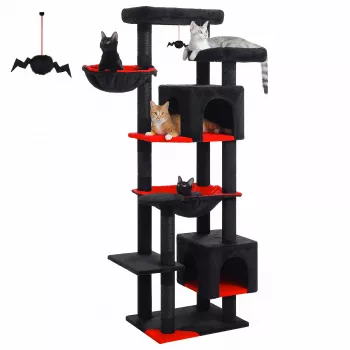
For layout ideas that work well for tall builds, larger cats, hammocks, and condo-style rest spots, see the full guide here: tall cat tree options for large indoor cats with hammock and condo.
FAQ
What wood is safe for a DIY cat tree?
Untreated hardwoods like oak or maple are commonly used because they’re sturdy and hold screws well. Avoid chemically treated lumber, heavily sappy woods, or any piece with rot, mold, or strong odors.
Recommended for you










Leave a comment