What age is appropriate for a balance beam?
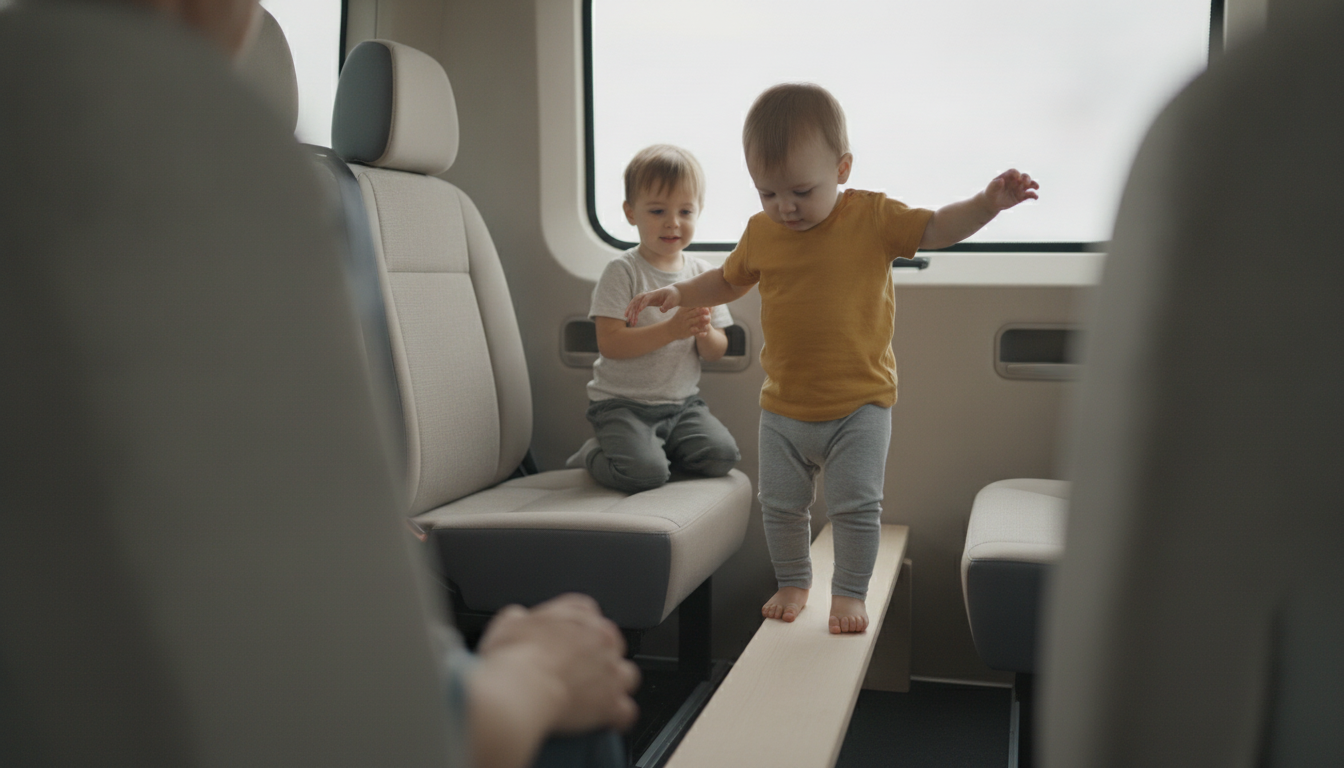
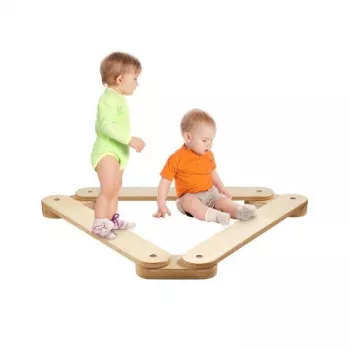
Most kids can start using a toddler balance beam around 18 months to 2 years, as long as the beam is low to the ground and an adult is close by. At this stage, the goal isn’t perfect “walking the line”—it’s building confidence with stepping, pausing, turning, and learning where their feet are in space.
Ages 2–4 are often a sweet spot for regular use. Children usually have enough coordination to try heel-to-toe steps, change directions, and experiment with simple challenges (like carrying a soft toy). For ages 4–6+, balance beams can still be a great fit, especially if the set allows more complex layouts, longer paths, or higher difficulty through spacing and patterns—without needing extra height.
The most important factor is not the number on the birthday cake, but readiness and safety. Look for a beam that’s wide enough for early walkers, has a stable, non-slip base, and sits close to the floor. Start with short “missions” (step to the end, then step off) and increase the length or complexity once your child can do it calmly without rushing.
If you’re considering a Montessori-style wooden balance beam or stepping stones, see practical guidance on setup, materials, and play ideas here: Montessori Wooden Balance Beam & Stepping Stones Guide.
For Balance Beam Age: When Toddlers & Kids Can Start, the best answer depends on fit, material, care instructions, and how the product will be used day to day.
Checking those details first helps avoid a poor match and keeps the choice practical after delivery.
For Balance Beam Age: When Toddlers & Kids Can Start, the best answer depends on fit, material, care instructions, and how the product will be used day to day.
FAQ
How can I make a balance beam safer for toddlers?
Use a low-to-the-ground beam on a non-slip surface, keep the area clear, and supervise closely. Start with wide pieces and short paths before adding turns or longer sequences.
Recommended for you











Leave a comment