What fabric types work best for iron-on patches (denim, cotton, polyester, nylon)?
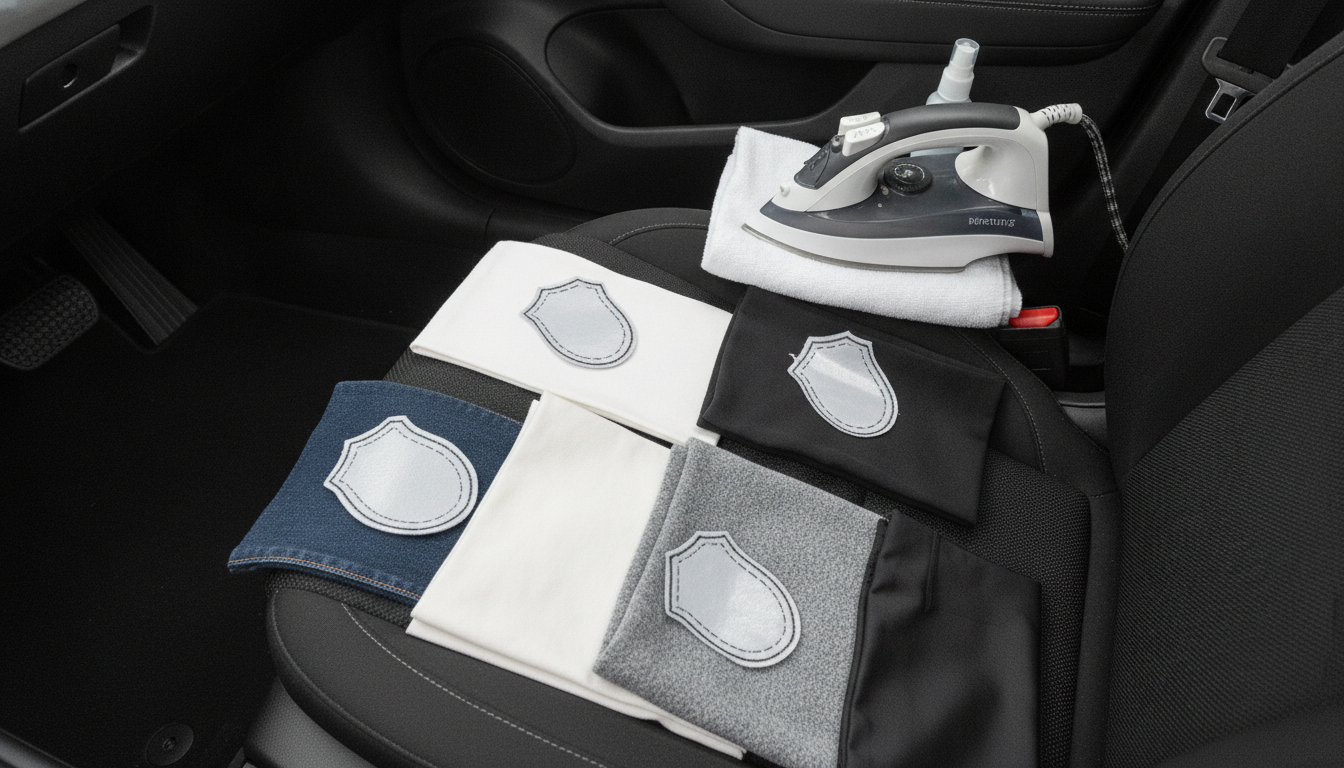
The best fabrics for iron-on patches are ones that can handle steady heat and provide a stable surface for the adhesive to bond. In most cases, denim and cotton are the easiest and most reliable, while polyester can work with extra care. Nylon is usually the least compatible because it’s heat-sensitive and often has a slick finish that resists bonding.
Denim
Denim is one of the top choices for iron-on patches. It’s thick, heat-tolerant, and has enough texture for strong adhesion. Use firm pressure and a full heat cycle (following the patch instructions), then let it cool completely so the glue sets before moving the garment.
Cotton
Cotton also works extremely well. It presses smoothly, tolerates high heat, and holds adhesive evenly. For best results, pre-press the area for a few seconds to remove moisture and wrinkles, then apply the patch and press again with consistent pressure.
Polyester
Polyester can work, but it needs a lower-to-medium heat setting because high heat can scorch, melt, or leave shiny press marks. If the patch adhesive requires higher heat than the garment can tolerate, stitching around the edges after ironing is a smart way to prevent peeling during washing and wear.
Nylon
Nylon is generally not ideal for iron-on patches. Many nylon items (like windbreakers or backpacks) can warp or melt under an iron, and coatings like water resistance make bonding unreliable. If you must apply a patch to nylon, consider sewing it on or using a fabric-safe adhesive designed for synthetics.
For patch application tips and placement ideas, see the full guide here: https://ellixuro.com/guide-2pcs-usa-eagle-flag-iron-on-patches-for-gear/.
FAQ
Can you wash clothes with iron-on patches without them falling off?
Yes—wait at least 24 hours before washing, turn the item inside out, and use cold or warm water on a gentle cycle. Air-drying or low heat drying helps reduce edge lifting over time.
Recommended for you











Leave a comment