What is the hardest skill on balance beam?
The “hardest” skill on balance beam depends on the gymnast’s level, but at the competitive and elite end, the most challenging skills usually involve flight, blind landings, and tight connection requirements on a 4-inch-wide surface. For many gymnasts, the hardest category is a high-difficulty acrobatic series—especially a back handspring to layout step-out (or multiple back handsprings connected) performed with consistent height, straight body position, and a stuck landing.
A close contender is the aerial cartwheel (side aerial). It’s often considered one of the toughest to learn cleanly because it demands powerful takeoff, precise shoulder/hip alignment, and commitment to a no-hands skill while staying perfectly centered. Small direction errors that might be manageable on floor become falls on beam.
At the very top level, twisting and flipping dismounts can be the hardest single skills. Dismounts combine speed, punch, and air awareness at the end of a routine—when fatigue and nerves are highest. Skills like a double salto or twisting double can be exceptionally difficult because the gymnast must generate enough rotation while still “seeing” the beam for a controlled set and safe landing.
Difficulty isn’t only about the skill itself—it’s about doing it under pressure, with consistent technique, and sometimes in combination. A skill that’s “easy” alone can become the hardest part of a routine when it must be connected immediately out of another element without a pause.
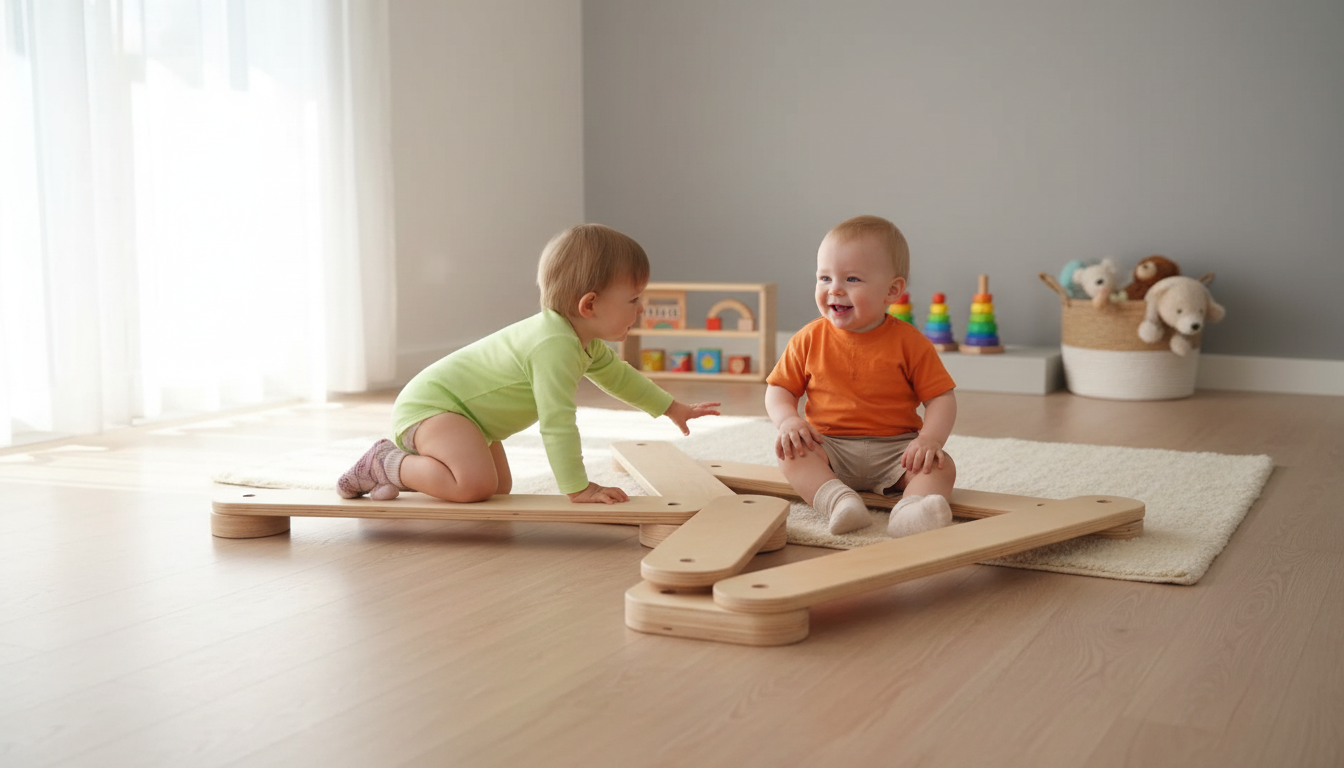
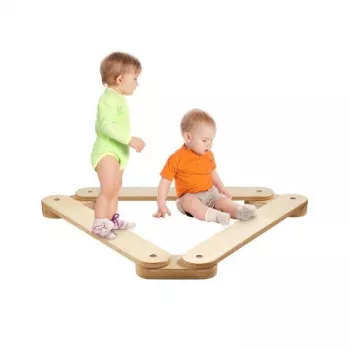
For younger athletes, the hardest “skill” is often simply staying calm and stable while moving forward with control. Building those fundamentals early—balance, foot placement, core strength, and confidence—pays off later when bigger skills enter the picture. For practical ways to develop balance at home, see this guide to Montessori-inspired balance equipment: https://ellixuro.com/guide-montessori-wooden-balance-beam-stepping-stones-toddlers/.
FAQ
What muscles help most with balance beam skills?
Core muscles (deep abs and lower back) stabilize the torso, while glutes, quads, calves, and the small muscles in the feet and ankles control micro-adjustments. Shoulder and upper-back strength also matters for hand-support and posture on turns and acro.
Recommended for you









Leave a comment