What makes an item have sentimental value to a person?
Sentimental value happens when an object becomes a stand-in for a relationship, a milestone, or a version of life that mattered. The item itself may be ordinary, but the meaning attached to it is personal—built from memories, emotion, and identity rather than price or usefulness.
1) It’s tied to a specific person
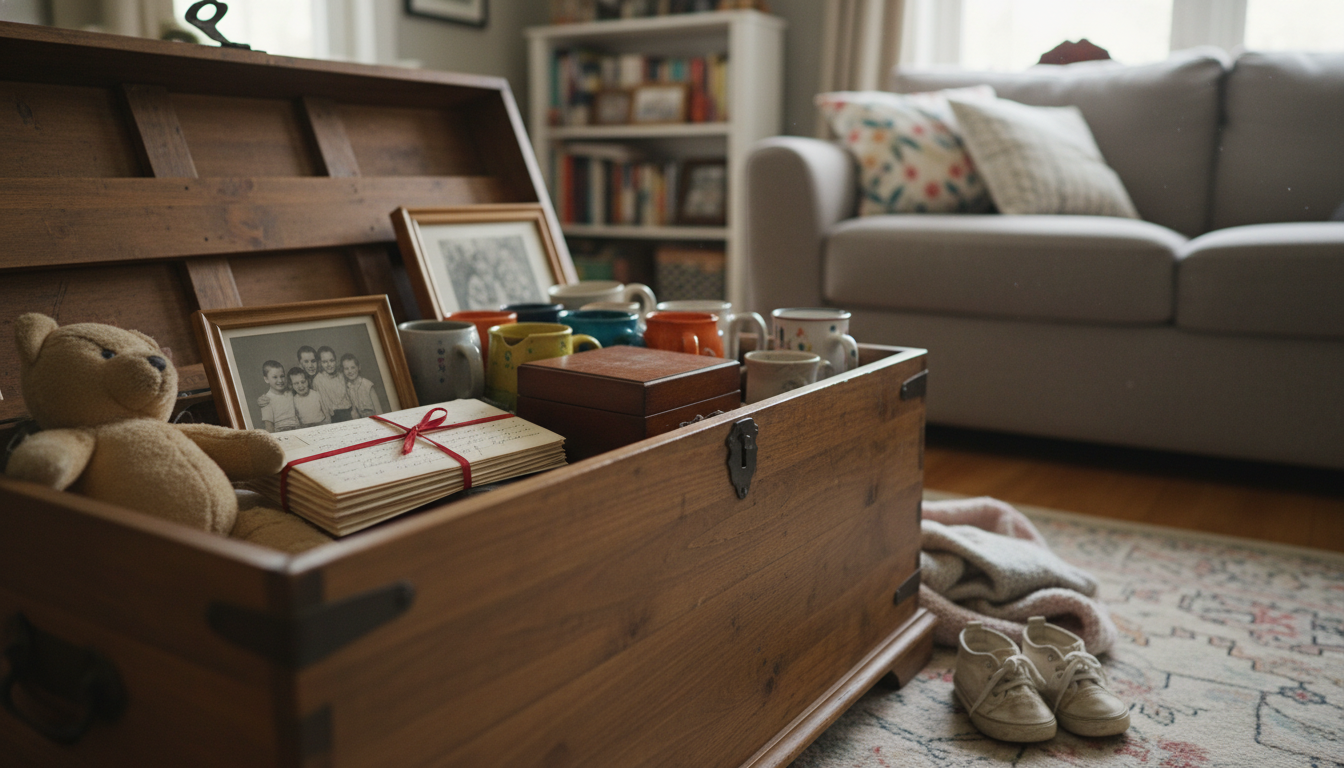
Gifts, inherited pieces, and everyday objects that belonged to someone important often feel irreplaceable. A chipped mug from a grandparent or a scarf from a best friend can carry the comfort of that bond. The stronger the relationship, the stronger the emotional “charge” the item holds.
2) It marks a life event or transition
Objects connected to big moments—graduations, weddings, first apartments, new jobs, moving away—become symbols of “before and after.” Even simple items like ticket stubs, uniforms, or a keychain can anchor the memory of who you were at that time.
3) It holds sensory memory
Texture, scent, handwriting, and wear patterns can unlock vivid recall. A perfume bottle, a baby blanket, or a handwritten recipe card can trigger emotions faster than a photo because it taps into the senses, not just the story.
4) It represents effort, creativity, or shared experience
Handmade items and souvenirs from shared trips matter because they reflect time and intention. A lopsided pottery bowl from a first class or a concert T-shirt worn through years of replays can feel like proof that something real happened.
5) It supports identity and continuity
Some belongings act like identity markers: cultural items, uniforms, journals, or awards. They can reassure you that your history is intact, especially during change, grief, or uncertainty.
Keeping the memory without keeping the clutter
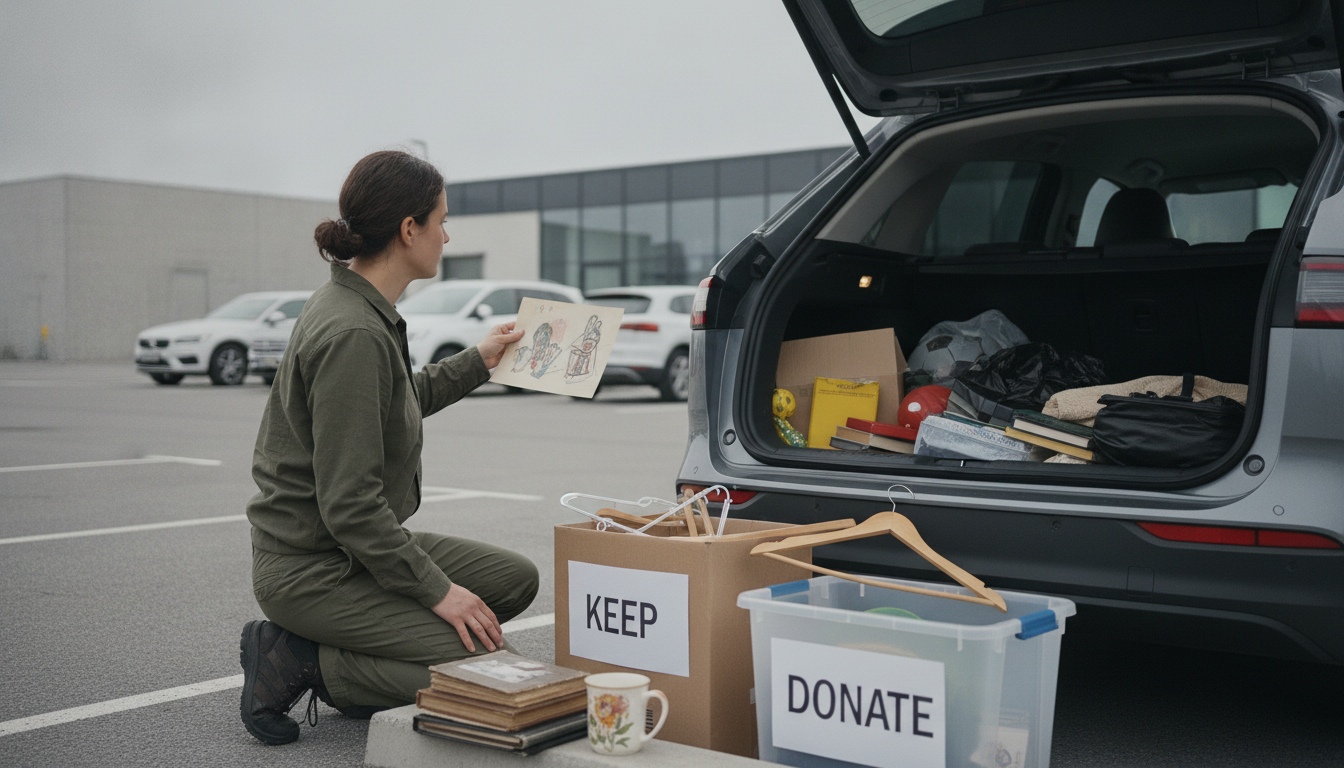
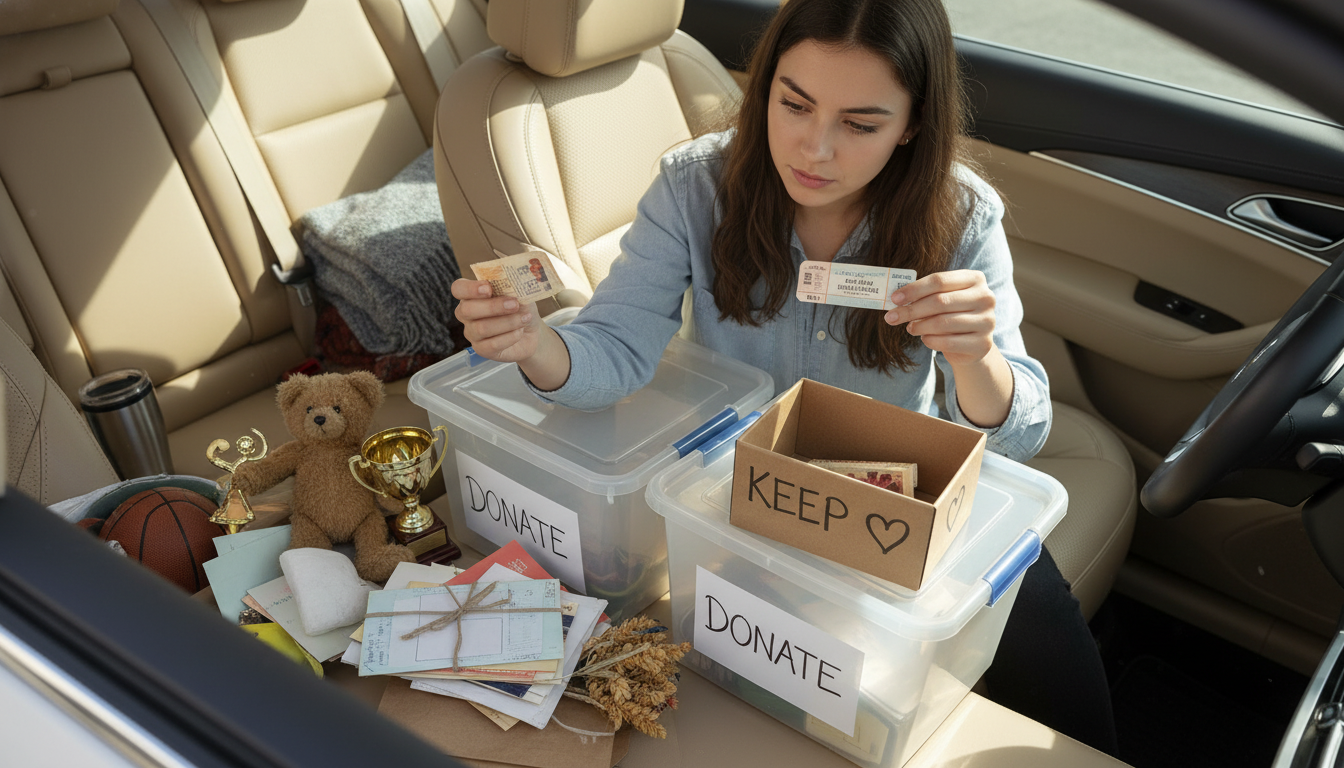
When many items feel meaningful, it helps to focus on the best “memory carriers”—the few pieces that most strongly connect you to the person or moment. For practical guidance on sorting and storing keepsakes, visit this decluttering guide for sentimental items.
FAQ
How do you decide what sentimental items to keep?
Keep the items that most strongly and positively connect you to the memory, and let go of duplicates or pieces tied mainly to guilt or “someday.” Choosing a small, protected space (like one memory box) can make decisions clearer.
Recommended for you









Leave a comment