Why are balancing beams good for toddlers?
Answer
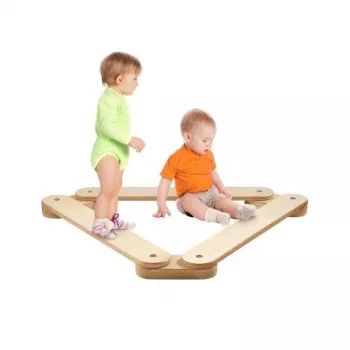
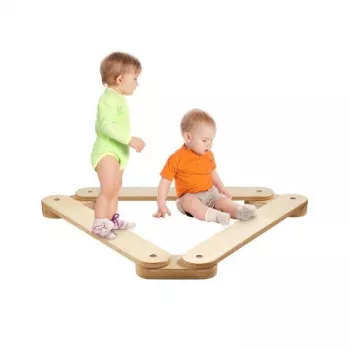
Balancing beams are good for toddlers because they turn everyday play into a full-body learning experience. Walking, stepping, and pausing on a narrow path challenges a toddler’s balance system, helping them build stability and body control in a way that feels like a game rather than a “skill drill.”
One of the biggest benefits is gross motor development. As toddlers place one foot in front of the other, they practice coordinating hips, knees, ankles, and core muscles. Over time, that repeated practice can support stronger posture, better coordination, and smoother movement during other activities like climbing, running, and jumping.
Balancing beams also reinforce proprioception (knowing where the body is in space) and spatial awareness. Toddlers learn to judge distances, adjust their stride, and respond to small wobbles. That “tiny correction” work is valuable because it teaches control and safer movement, especially during active play.
Beyond physical skills, beams help with focus and confidence. A toddler often needs to slow down, look ahead, and make intentional steps—great practice for attention and self-regulation. Completing a beam, even a short one, can feel like a real accomplishment, encouraging healthy risk-taking and persistence.
For more ideas on choosing and using Montessori-style balance beams and stepping stones at home, visit this guide to Montessori wooden balance beams and stepping stones for toddlers.
For Toddler Balance Beams: Benefits for Motor Skills & Focus, the best answer depends on fit, material, care instructions, and how the product will be used day to day.
Checking those details first helps avoid a poor match and keeps the choice practical after delivery.
For Toddler Balance Beams: Benefits for Motor Skills & Focus, the best answer depends on fit, material, care instructions, and how the product will be used day to day.
FAQ
What age can toddlers start using a balance beam?
Many toddlers can start with very low, wide balance paths around 18–24 months, with close adult supervision. Start simple and increase challenge gradually as stability and confidence grow.
Recommended for you










Leave a comment