What is the baseus pd 100W USB-C cable?
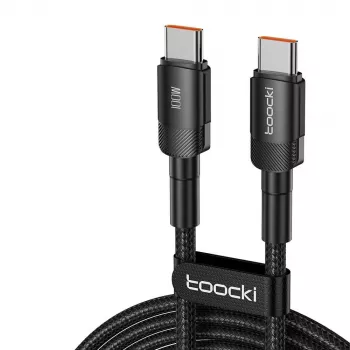
A Baseus PD 100W USB-C cable is a USB-C to USB-C charging and data cable designed to deliver up to 100 watts of power using USB Power Delivery (PD). That 100W ceiling typically comes from supporting 20V at up to 5A, which is the range needed to fast charge many USB-C laptops, tablets, and phones when paired with a compatible USB-C PD charger.
In practical terms, it’s the kind of cable you’d pick when a basic USB-C cable feels too slow or runs hot—especially for higher-power devices like a MacBook, Windows ultrabook, iPad Pro, Steam Deck, power banks, or portable monitors. Many Baseus 100W options also include an “E-Marker” chip, which helps the charger and device safely negotiate higher current levels (5A) for full 100W performance.
What “PD 100W” really means
“PD” refers to the USB Power Delivery standard, which lets the charger and device negotiate the best voltage/current combination. A cable labeled “PD 100W” is meant to handle those negotiated power levels without excessive resistance or instability. To actually reach 100W, three things must line up: a 100W-capable charger, a device that can accept that power, and a 5A-rated USB-C cable (often with E-Marker).
What it’s used for
Most shoppers choose a Baseus PD 100W USB-C cable for fast laptop charging, higher-efficiency charging for tablets/phones, and cleaner desk or travel setups where one cable can cover multiple devices. Depending on the specific model, it may also support USB 2.0 data transfer speeds (fine for syncing and accessories) or faster data rates—so checking the data spec matters if file transfer is a priority.
How to pick the right Baseus 100W cable
Look for “100W (20V/5A)” and E-Marker support, choose a length that won’t tug at ports, and verify the data speed if you plan to move large files. For a deeper breakdown of 100W USB-C to USB-C specs, PD versions, and what to check before buying, see this guide: 100W USB-C to USB-C Cable Guide.
FAQ
Will a 100W USB-C cable charge my phone faster?
Sometimes. If your phone and charger can negotiate a higher PD profile (or PPS), a higher-rated cable can remove the cable as a bottleneck, but the phone still controls its maximum charging speed.
Recommended for you







Leave a comment